
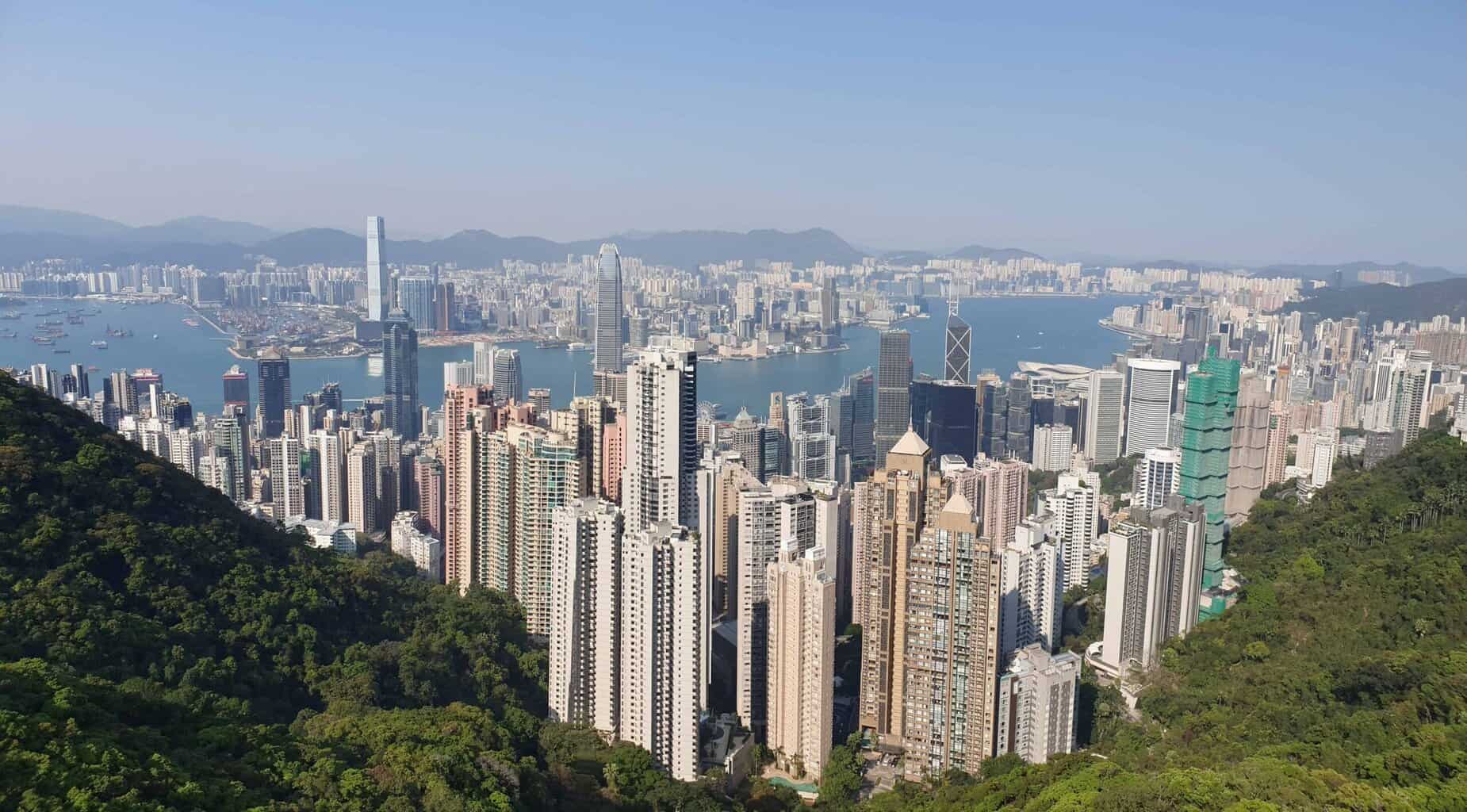
Hong Kong is one of the most exciting cities to visit in Asia. Famous for its tall skyscrapers, busy streets, harbour views, delicious cuisine and beautiful landscapes, Hong Kong is a perfect place to explore for travellers who love both city life and nature. The city mixes modern life with Chinese traditions, making it a special place to visit.
This comprehensive travel guide will provide everything you need to know about planning your trip to Hong Kong, including the best attractions, places to visit and things to do, and also a detailed map, photos and an itinerary.
- INTRODUCTION TO HONG KONG
- BEST TIME TO VISIT HONG KONG
- HOW LONG TO STAY IN HONG KONG
- WHERE TO STAY IN HONG KONG
- PRACTICAL INFORMATION
- HOW TO GET TO HONG KONG
- HOW TO GET AROUND
- EATING IN HONG KONG
- THINGS TO DO IN HONG KONG
- BEST EXCURSIONS & DAY TRIPS
- BEST BEACHES
- HONG KONG TOURIST MAP
- HONG KONG ITINERARY
- PHOTOGRAPHY
- HONG KONG ACTIVITIES
- HONG KONG TOURS
- WHAT TO BUY IN HONG KONG
- VIRTUAL TOUR OF HONG KONG
- FURTHER READING
- TRAVEL RESOURCES
INTRODUCTION TO HONG KONG
Why visit HONG KONG?
Hong Kong is a lively and modern city with a fascinating mix of East and West. It lies on the southern coast of China and consists of Hong Kong Island, Kowloon, and the New Territories, plus many small islands. Despite its small size, it is home to about 7.5 million people, making it one of the most densely populated areas on Earth.
Hong Kong was a small fishing village before becoming a British colony in 1842 after the First Opium War. Under British rule, it grew into an important trading port. In 1997, Hong Kong was returned to China under the agreement of “one country, two systems”. This means it is part of China (SAR: special administrative region) but it maintains a high degree of autonomy with its own laws, money and lifestyle. Today, Hong Kong is one of the world’s leading financial and business centres.
Most of the Hong Kong people of Chinese descent practice Chinese folk religion, which may include Confucian, Taoist and Buddhism ritual traditions. A significant minority follows Christianity (Protestants & Catholics).
The city is famous for its impressive skyline and busy harbour combined by lush green hills, beaches, and traditional villages. Hong Kong blends tradition and modern life, from temples and tea houses to skyscrapers and shopping malls.
Some of the best things to do in Hong Kong includes ridding the Star Ferry across the Victoria Harbour, enjoying the views of the Hong Kong skyline from Victoria Peak, visiting Lantau Island with the Big Buddha, and sampling local food in the Temple Street Night Market.
BEST TIME TO VISIT HONG KONG
The best time to visit Hong Kong is during the autumn (October to mid December), when the weather is warm, usually sunny, and less humid; however it is busier with tourists. The spring (March to May) is also a good alternative, with pleasant temperatures, though it can be more humid and occasionally cloudy with rain. If you don’t mind the cooler temperatures, winter is another option ideal for sightseeing.
- Autumn (October-December): The absolute best time. Pleasant with mild temperatures (around 18–25°C), sunny, and dry with low humidity. Perfect for hiking and sightseeing. Also the most crowded and expensive.
- Winter (January-February): Cool and dry (around 14–18°C), though can be cloudy. Chinese New Year (dates vary Jan/Feb) is a spectacular but very crowded and pricey time to visit.
- Spring (March-May): Warm and comfortable, with flowers blooming across the city. There can be occasional rain and fog, especially on higher ground like Victoria Peak. Prices a bit lower than the high season.
- Summer (June to September): Hot (often above 30°C), very humid, and rainy, with the risk of typhoons. It is considered as low season and hotel rates are lower.
HOW LONG TO STAY IN HONG KONG
The ideal length of stay in Hong Kong depends on what you’d like to experience.
2-3 Days: Enough time for first-time visitors to see major sights in Hong Kong Island and Kowloon and take one day trip (like Lantau Island).
4-5 Days: Ideal for a well-rounded trip. Gives you time to enjoy the main attractions and some cultural or natural spots. You can take a day trip to an outlying island (like Lantau), visit Macau and enjoy a hike or a trip to Disneyland.
6-7 Days: More in-depth exploration. Great if you want to explore the city at a relaxed pace, relax at the beach or take more day trips.
WHERE TO STAY IN HONG KONG
Hong Kong offers a wide range of accommodation options to suit various preferences and budgets but it is relatively expensive. Here are some popular areas to consider when choosing where to stay in Hong Kong:
- Central & Admiralty (Hong Kong Island)
Best for first-time visitors, business travellers, nightlife, and convenience. The financial and cultural heart of Hong Kong-close to Victoria Peak and the Star Ferry. Full of luxury hotels, skyscrapers, and trendy restaurants. More expensive but very well-connected. - Tsim Sha Tsui (Kowloon)
Best for first-time visitors, skyline and harbour views, and easy transport access. Easy access to ferries and the MTR. It is great for both sightseeing and shopping. You can find cheaper accommodation than Hong Kong Island. - Mong Kok & Yau Ma Tei (Kowloon)
Best for local culture, street markets, and budget-friendly stays. Home to Ladies’ Market, Temple Street Night Market, and local eateries. Further away from the harbour but it still provides easy access to MRT. - Causeway Bay (Hong Kong Island)
Best for shopping, dining, and nightlife. Packed with shopping malls (Times Square, SOGO) and restaurants.
Convenient MTR access to other parts of the city.
Best hotels in Hong Kong
- The Peninsula Hong Kong – Legendary 5-star hotel in Knowloon close to the harbour and the Star Ferry.
- The Upper House – Set in a modern high-rise building, this elegant hotel is close to Admiralty metro station and offers stunning city views.
- The Ritz‑Carlton, Hong Kong – The highest hotel in the world, offering breathtaking harbour views, Michelin‑starred dining, and a sky‑high indoor pool.
- Four Seasons Hotel Hong Kong – World-class service, harbour views, Michelin-star dining.
- Mandarin Oriental Hong Kong – A Hong Kong icon with timeless style and superb location.
- Regent Hong Kong – This upscale hotel on the Kowloon waterfront has elegant harbour‑view rooms.
- The St. Regis Hong Kong – A smaller 5 star hotel in Wan Chai Area with beautiful rooms.
- K11 ARTUS – Stylish serviced residences with panoramic harbour views.
- The Langham Hong Kong – Elegant interiors and a top-notch location.
- Crowne Plaza Hong Kong Causeway Bay – Spacious rooms and rooftop pool.
- Hotel ICON – Designed by local architects, modern and eco-friendly.
- The Park Lane Hong Kong – Great location and harbour views.
- Harbour Bay Hotel – Clean and simple, near the waterfront.
- Hotel LBP – Comfortable boutique option near the MTR.
- ibis Hong Kong Central & Sheung Wan – Great location near trams, MTR, and ferry; ideal for strict budgets.
- Nina Hotel Causeway Bay – Affordable hotel, close to MTR, surrounded by cheap eats.
- Mini Hotel Central – Tiny rooms but unbeatable location for the price.
- Hotel Ease Mong Kok – Clean, convenient, and well-priced.
- Yesinn Hotel & Youth Hostel – Popular among backpackers.
Click here to check and compare prices on accommodation for the whole Hong Kong Area.
PRACTICAL INFORMATION
Entry requirements/Visa
Hong Kong maintains its own visa policy, separate from Mainland China. Many nationalities (like US, UK, EU & Australia) can enter visa-free for tourism for up to 90 days.
Upon arrival, you’ll usually need to show a valid passport and proof of onward or return travel.
You can check the official Hong Kong Immigration Department website for an up-to-date information.
Safety
Hong Kong is one of the safest cities in the world, with low crime, excellent public order, and reliable infrastructure.
Violent crime is rare, and street crime (like pickpocketing) is much less common than in many major cities. The Hong Kong Police Force is highly professional, visible, and approachable.
Just practice normal travel precautions, and you’ll have no issues.
Travel Insurance
Getting travel insurance before you travel is always recommended. Medical care in Hong Kong is excellent but can be expensive for non-residents, especially in private hospitals.
Insurance helps cover unexpected medical costs, trip delays, lost baggage, or cancellations.
SafetyWing is an excellent choice for long-term travellers and digital nomads. Alternatively, you can use one of the price comparison websites for cheaper quotes.
Weather
Hong Kong has a subtropical climate, meaning warm, humid summers and mild, dry winters.
- Summer (June to August): Summers in HK are hot, humid, and rainy, with frequent thunderstorms and occasional typhoons. Temperatures range from 26 to 33°C.
- Autumn (September to November): The weather is pleasant, sunny and dry, with low humidity and temperatures ranging from 19°C to 28°C.
- Winter (December to February): Winters in HK are cool, dry, and pleasant. Daytime temperatures range from 12°C to 20°C. Evenings can feel cold due to humidity.
- Spring (March to May): Weather is warm and pleasant but can be humid and foggy, especially in March. Occasional light rain or drizzle. with temperatures ranging from 17°C to 26°C.
More information regarding the weather and average temperatures can be found here.
Travel Gear
Here’s a list of travel gear and essentials to consider for your trip to Hong Kong:
- Lightweight, breathable clothing for summer
- Umbrella and light rain jacket
- Beachwear if you plan to go to the beach
- Comfortable walking shoes for city walking
- Sun protection gear, including sunglasses, a hat, and sunscreen.
- Power adaptor
- Portable power bank.
- A small backpack for day trips and carrying essentials while exploring.
- Basic first aid kit with essentials like bandages, antiseptic wipes, face mask, mosquito repellent and painkillers.
For information on travel gear and what to pack click here.
Language
Hong Kong has two official languages:
- Chinese (Cantonese dialect) – Cantonese is spoken by the majority of the local population. Written Chinese is with traditional characters (different from simplified characters used in Mainland China).
- English – Used in government, business, and many public signs. Widely understood in hotels, restaurants, tourist attractions, and public transport.
Street signs, subway (MTR) maps, and menus are usually in both English and Chinese. This bilingual system makes Hong Kong very accessible to English-speaking visitors.
Basic Cantonese words:
- Hello: 你好 (néih hóu)
- Thank you: 多謝 (dōjeh)
- Yes: 係 (haih) / No: 唔係 (m̀haih)
- Excuse me / Sorry: 唔該 (m̀h gōi)
Money
The currency is the Hong Kong Dollar (HKD). The currency symbol is $.
Credit cards are widely accepted, but it’s worth having some cash with you as some small vendors in street markets won’t accept cards.
The best way to get local currency is through an ATM that can be found in most areas. Unfortunately, most banks take a commission, so it’s worth finding an international bank, e.g. HSBC, that doesn’t charge.
Hong Kong is generally considered expensive, especially accommodation and eating out. Eating street food or go to local restaurants outside the main tourist areas can save money. Transport is affordable. You can get an Octopus Card for easy and slightly cheaper travel across MTR, buses, and ferries.
Tipping is not obligatory in Hong Kong — it’s seen as a gesture of appreciation rather than a requirement. In restaurants a 10% service charge is usually included.
Electricity
The power plugs and sockets in Hong Kong are primarily of Type G (the standard UK 3-pin rectangular plug), but Type D (three round pins) might be found in older buildings. The voltage is 220 V and the frequency is 50 Hz.
Internet/Mobile Phone
The best option is to buy a local SIM card or eSIM with data, in order to avoid high roaming costs.
You can buy a prepaid SIM card at the airport or at convenience stores (7-Eleven, Circle K) and local mobile stores in the city.
If your phone supports eSIM, you can buy a Hong Kong eSIM online before arrival that works immediately when you land. Airalo is a great option with reasonable prices.
Hong Kong has excellent mobile coverage and fast internet. The main providers are:
- CSL / 1010 / One2Free – Good coverage, 4G/5G ready
- SmarTone – Reliable, fast, good for tourists
- China Mobile Hong Kong (CMHK) – Affordable, good urban coverage
Free Wi-Fi is widely available (MTR stations, shopping malls, most hotels and restaurants) but having mobile data is more convenient.
Google services work normally in Hong Kong – unlike Mainland China, you don’t need a VPN.
Local Customs
- The handshake is commonly used when greeting Westerners.
- Locals can be direct but they are usually friendly with tourists.
- Give and receive gifts with two hands.
- Keep to the right at escalators, left side is for passing.
- Eating and drinking are prohibited on the MTR (subway).
- No smoking on beaches, parks, transport and indoor areas.
- Avoid loud, disruptive behaviour in public.
HOW TO GET TO HONG KONG
By Plane
Hong Kong International Airport (HKIA / Chek Lap Kok) is the main gateway.
It is connected with direct flights from major cities worldwide – North America, Europe, Asia, and Oceania, as well as Mainland China.
Some major airlines serving the airport are Cathay Pacific, Hong Kong Airlines, China Eastern Airlines, Singapore Airlines, Emirates, British Airways, and many more.
In the wider region, there is also Macau Airport, which is located in Macau, accessible by ferry and bus from Hong Kong in about an hour.
There is also the Shenzhen Bao’an International Airport serving mainland China.
Getting from/to the airport
Hong Kong airport is actually located in Lantau Island, about 35km from Kowloon and Hong Kong Island.
Airport Express train is the fastest and most convenient way to travel to/from the airport. Central (Hong Kong island) can be reached in 24min. Trains depart every 10min from 05:54 to 00:48 daily. For schedule information, you can click here or download the MTR Mobile app.
There are also taxis available outside the Arrivals Terminal. The taxi fare from the airport to the city centre is charged according to a meter. The cost is around 300 – 400 HKD to central.
There are also buses connecting the airport to the city that are considerable cheaper and take about 40-60min depending on traffic.
By Ferry
From Macau: TurboJET or Cotai Water Jet (55–70 minutes).
From Mainland China: Ferries from Shenzhen, Zhuhai, and other coastal cities.
By Land
Hong Kong is well connected with a good road network, and buses to the rest of China.
High-speed trains now link Guangzhou / Shenzhen to Hong Kong West Kowloon Station (~1 hour). Immigration happens on arrival at West Kowloon.
There are also cross-border buses / coaches run from Shenzhen, Dongguan, and Guangzhou. Immigration is required at border checkpoints like Lo Wu, Lok Ma Chau, and Shenzhen Bay.
HOW TO GET AROUND
Getting around Hong Kong is easy, fast, and efficient, thanks to its excellent public transport system.
MTR (Mass Transit Railway)
MRT is the easiest way to get around. It covers most of Hong Kong Island, Kowloon, and parts of the New Territories. It also connects to the airport and Lantau Island. Trains every 2–5 minutes during the day. It is very affordable and costs 4–20 HKD per trip depending on distance.
Tip: Buy an Octopus Card (rechargeable smart card) to tap in/out — works on MTR, buses, ferries, and even some stores. You can reload the card at various locations, like 7-eleven.
Apps: “MTR Mobile” or Google Maps works well for planning routes.
By Ferry
Star Ferry: Famous and cheap way to cross Victoria Harbour between Kowloon and Hong Kong Island (HKD 2–3). The Star Ferry connects Tsim Sha Tsui ↔ Central and Tsim Sha Tsui ↔ Wan Chai. It runs from early morning until late night. You can use your Octopus card or buy a token at the pier.
Other ferries: There are frequent ferries connecting Hong Kong to Lantau Island, Lamma Island, Cheung Chau, and other outlying islands as well as Macau.
By Car
I would not recommend hiring a car in Hong Kong for typical sightseeing due to the city’s exceptional public transport, high parking costs, and extreme traffic density. However, it can be useful for exploring more remote areas of the New Territories or Lantau Island. You must have a valid driving licence from your home country. Most rental agencies require an International Driving Permit (IDP) in addition to your home licence.
By Taxi
Hong Kong taxis are colour-coded according to their operating areas.
- Red = Urban (Hong Kong Island & Kowloon)
- Green = New Territories
- Blue = Lantau Island
All taxis use meters and can be hailed on the street, booked by phone, or found at taxi stands. They are relatively affordable compared to many major cities, though fares have increased recently. Tipping is optional; rounding up is common.
You can also use Uber in Hong Kong.
By Train
There are high speed trains connecting Hong Kong with the rest of Mainland China. The main railway station is the West Kowloon Terminus. If you plan to travel to mainland China, you need to arrive early due to the border checks.
By Bus & Tram
Hong Kong’s bus network is extensive, consisting of over 500 routes. There are usually two types of buses: double-decker buses (most common) and minibuses. They cover areas that MRT doesn’t reach, like thesouth of Hong Kong Island (Aberdeen, Repulse Bay, Stanley) and the New Territories. Also Lantau Island can be explored by buses.
Bus fares in Hong Kong are generally distance-based, ranging from roughly HKD 3 to over HKD 60 for long-distance or airport routes. Some buses accept Octopus Card only; exact cash needed if you don’t have one.
The Hong Kong Tramways (“Ding Ding”) operate double-decker trams exclusively on Hong Kong Island, running along the northern coastline between Kennedy Town and Shau Kei Wan, with a loop through Happy Valley. They are cheap and scenic (HKD 3).
There is also the Peak Tram, the famous funicular railway that connects Central to Victoria Peak.
By Bike
Cycling in Hong Kong is not as popular. However there are some dedicated cycle routes in the New Territories, like Sha Tin to Tai Mei Tuk (approx. 22km, 2.5 hours), while scenic, car-free riding is available on outlying islands like Cheung Chau. Key areas iin the city centre includes Central Waterfront Promenade & West Kowloon Art Park.
EATING IN HONG KONG
Hong Kong is a food paradise, offering a mix of traditional Cantonese dishes, international cuisine, and unique street food. Here are some popular areas and places to eat:
- Central: Best for fine dining, fusion and trendy cafes
- Tsim Sha Tsui: Best for waterfront dining, international options,
- Mong Kok / Yau Ma Tei: Best for street food (Ladies’ Market & Temple Street Night Market) and casual local dining
- Causeway Bay: Best for trendy cafés, bakeries and mid-range dining
- Lantau (Tai O Fishing Village): Best for seafood and local snacks
- Lamma Island: Seafood restaurants by the beach
- Cheung Chau: Local seafood and traditional Hong Kong snacks
Best restaurants in Hong Kong
- Kam’s Roast Goose (Wan Chai) – A legendary, Michelin‑recognized Cantonese restaurant. Famous for its crisp roast goose.
- Lung King Heen – Michelin-starred Cantonese, famous for dim sum and seafood
- Hutong – Northern Chinese cuisine with amazing harbour views
- Ho Lee Fook (Central) – Modern but close to its Cantonese roots—dim sum, seafood, roast meats
- Tim Ho Wan – Affordable Michelin-starred dim sum
- Mak’s Noodle – Classic wonton noodles
- Kam Fai Dim Sum (Wan Chai) – A local dim‑sum café serving homestyle Cantonese plates at affordable prices
- Oi Man Sang – Top stop for traditional Cantonese street food
- Wah Yuen Chiuchow Cuisine – Decent cantonese restaurant in Tsim Sha Tsui
- Log Ye Dim Sum – Famous dim sum restaurant with usually long queue.
- KABOOM – gorgeous rooftop restaurant and coctails with harbour views
- Eyebar – Coctail bar with great harbour views
- OZONE at The Ritz-Carlton – The world’s highest bar with great views
- Bakehouse – Famous Hong Kong bakery with great pastries
- Tai Cheong Bakery – One of the city’s oldest and most beloved spots for fresh egg tarts
You can check the location of these restaurants on this map.
Local Cuisine
Hong Kong offers a rich and diverse culinary scene, with a variety of delicious dishes to try. Here are some of the must-try cantonese dishes in Hong Kong:
- Dim Sum: Bite-sized dishes like dumplings, buns, and spring rolls. Try har gow (shrimp dumplings) and siu mai (pork & shrimp dumplings).
- Roast Meats (Siu Mei): Char siu (barbecue pork), roast goose & duck, crispy pork belly.
- Wonton Noodles: Thin noodles served with shrimp or pork wontons in clear broth.
- Congee: Rice porridge, often served with fish, pork, or century egg.
- Claypot Rice: Rice cooked in a claypot with meats and vegetables, crispy at the bottom.
- Typhoon Shelter Crab: Stir-fried crab with garlic, chili, and black beans.
- Steamed Fish: Fresh catch, simply seasoned to highlight natural flavours.
- Salt & Pepper Squid: Deep-fried with a savoury coating
- Egg Waffles (Gai Daan Jai): Puffy, sweet, egg-shaped waffles.
- Fish Balls: Skewered and often fried, a popular street snack.
- Snake Soup: A historic delicacy served especially in winter – thick, herbal soup made with snake meat.
- Stinky Tofu: Fermented tofu, deep-fried and very flavourful (try if adventurous).
- Pineapple Bun (Bolo Bao): Sweet bun with a crumbly top, usually served with butter.
- Egg Tarts: Buttery pastry with a sweet, creamy egg custard.
- Hong Kong-style Milk Tea: Strong black tea with evaporated or condensed milk.
- Yuenyeung: A unique local mix of coffee and tea.
- Lemon Tea / Iced Lemon Water
THINGS TO DO IN HONG KONG
BEST attractions and places to visit
Hong Kong is packed with activities – from cultural experiences and scenic views to shopping and family-friendly attractions. Here are some of the best places to visit and things to do in Hong Kong:
1. Victoria Harbour & Star Ferry
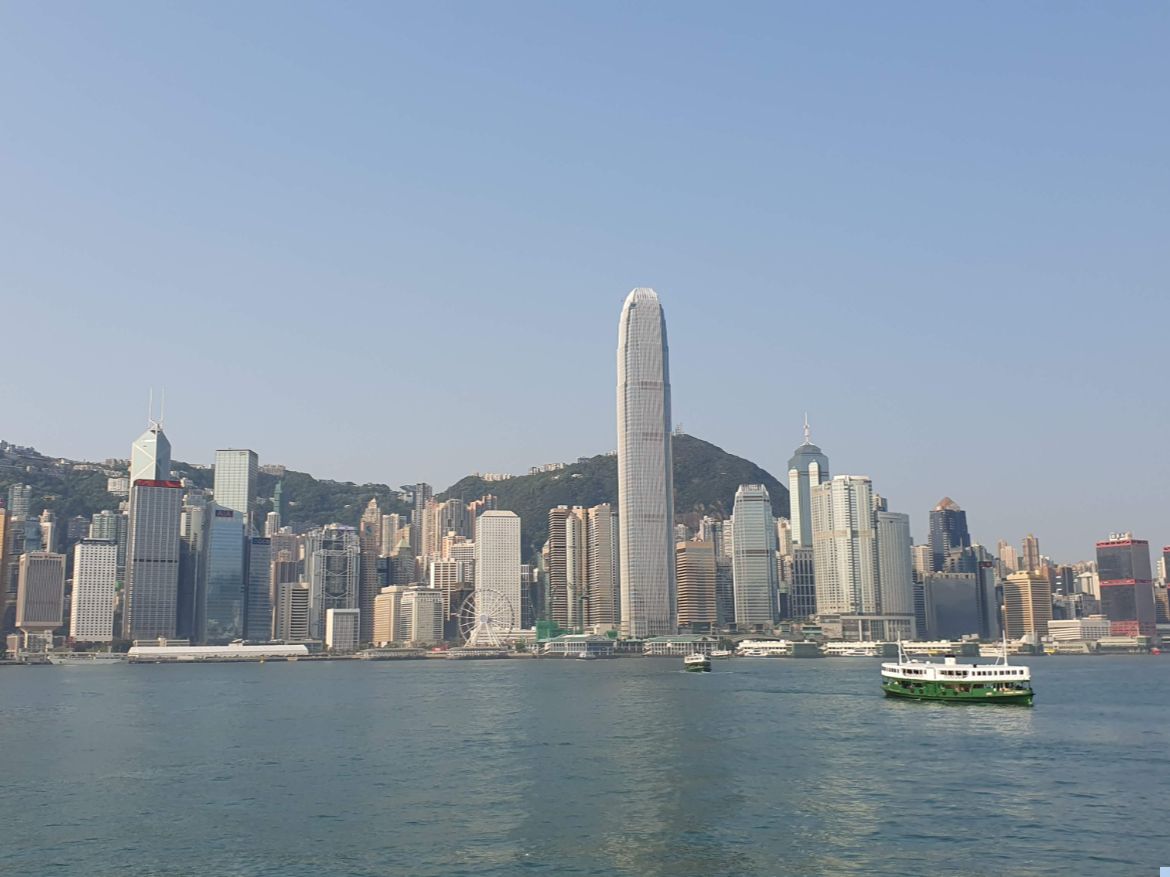
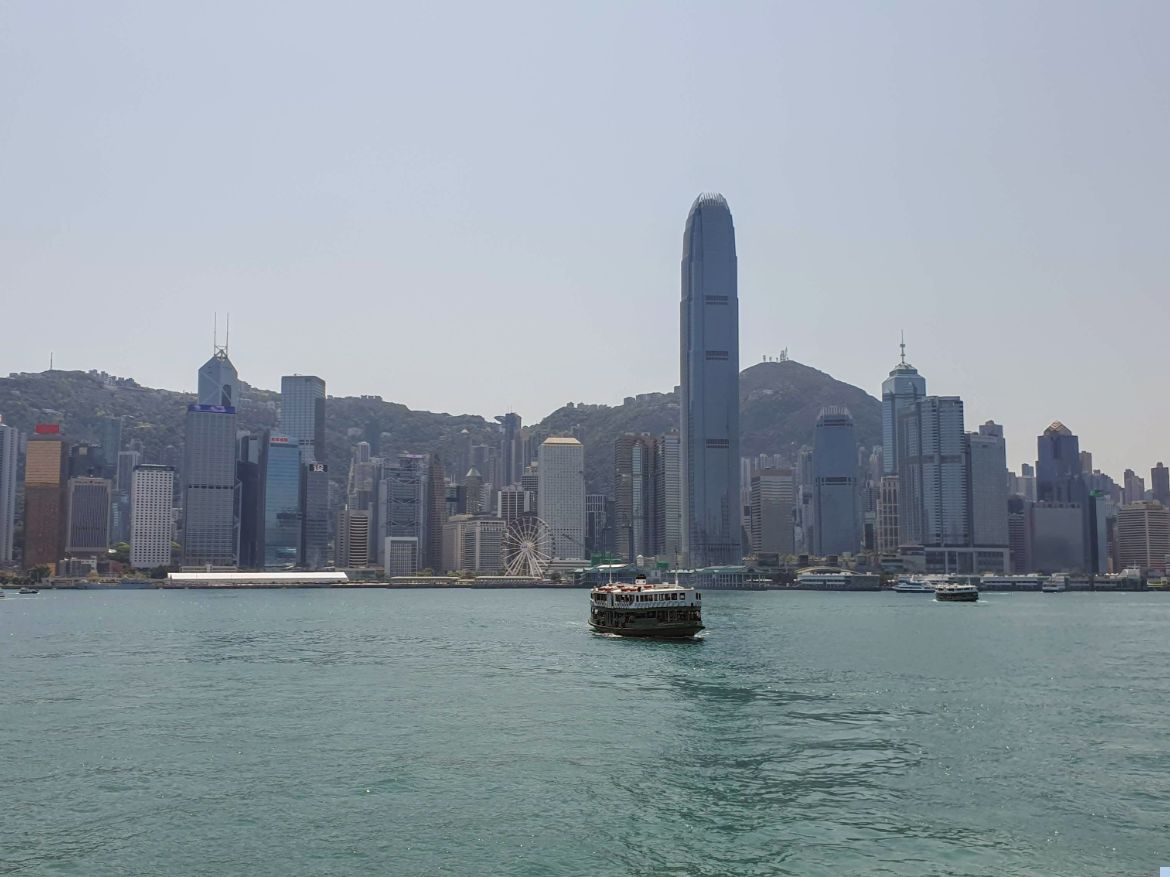
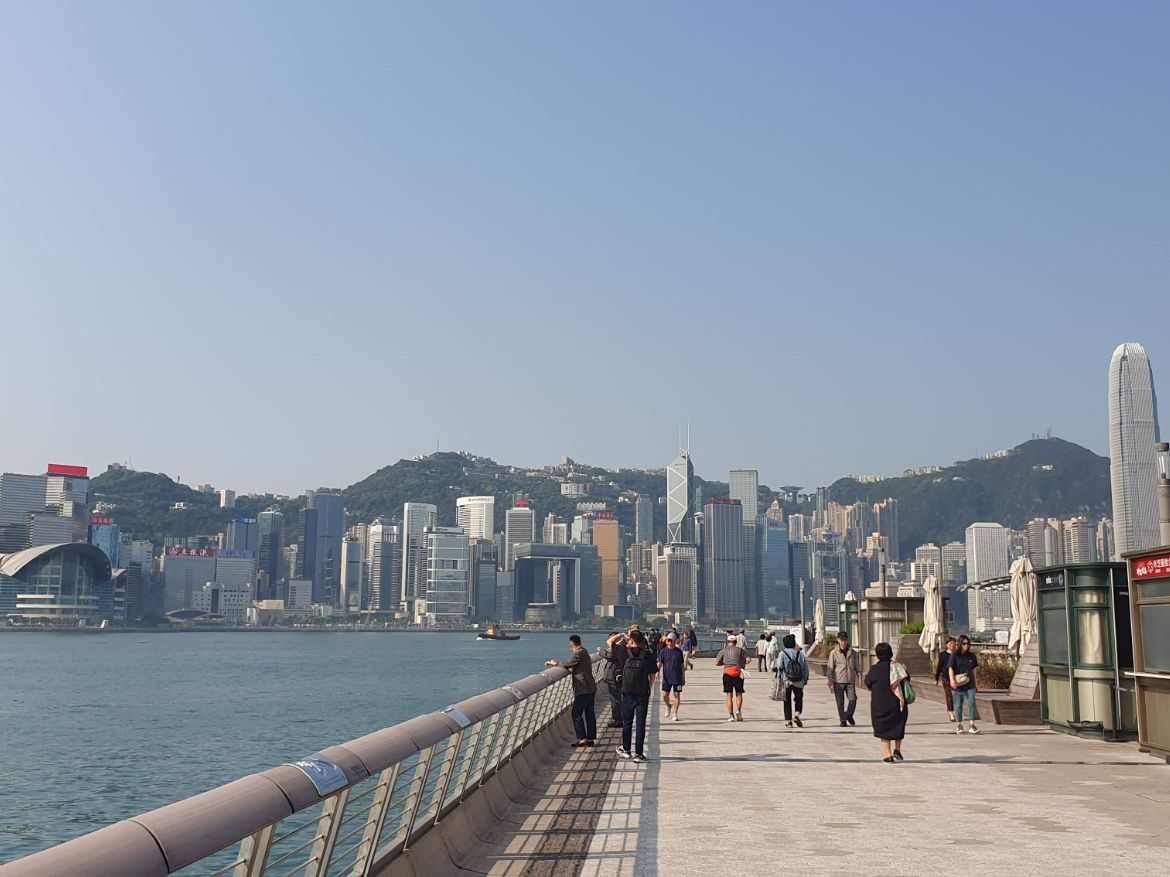
Victoria Harbour sits between Hong Kong Island and Kowloon, lined by skyscrapers, ferries, promenades, museums, and cultural landmarks. The harbour offers amazing views of Hong Kong’s skyscrapers. Tsim Sha Tsui Promenade and Central & Wan Chai waterfront piers are perfect for walking and taking in the harbour views.
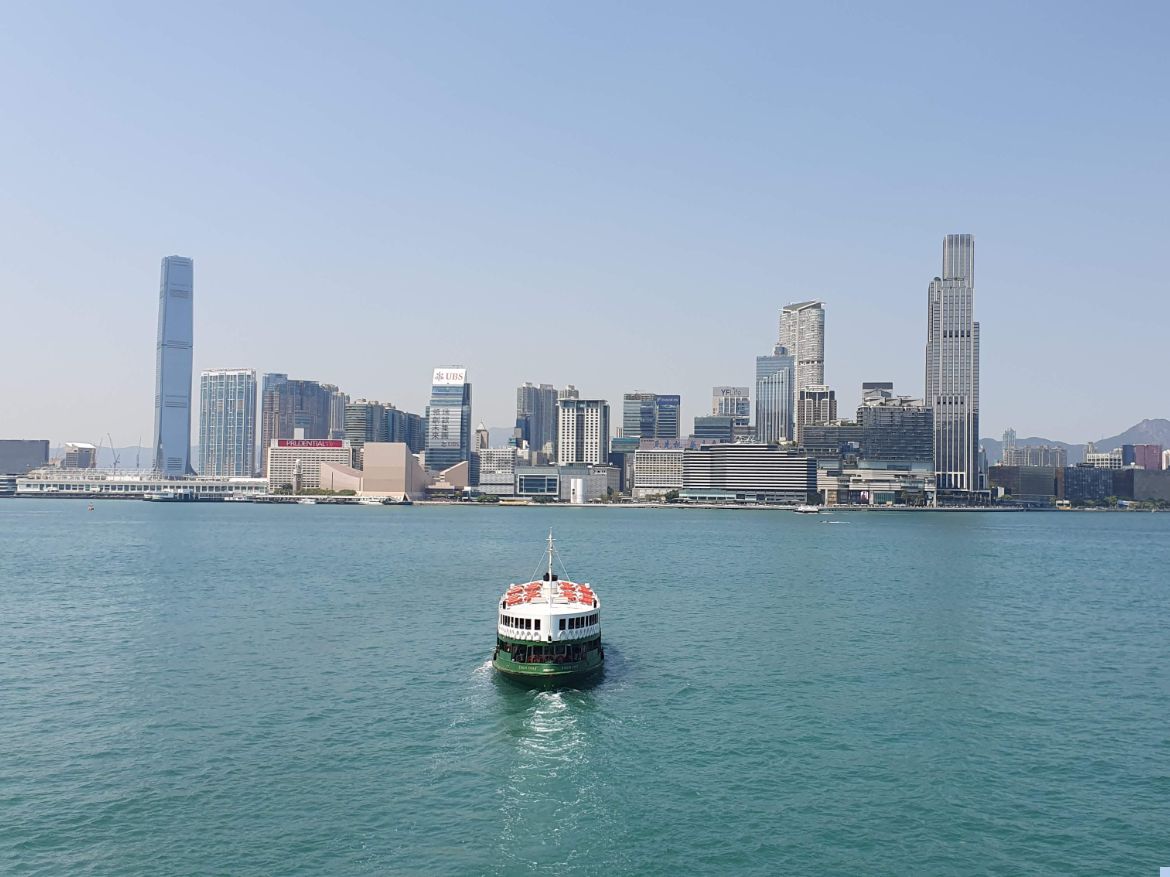
One of the best things to do is to take the short ferry ride along the harbour with the famous Star Ferry. The Star Ferry has been crossing Victoria Harbour for more than 120 years between Tsim Sha Tsui (Kowloon) and Central or Wan Chai (Hong Kong Island). It’s an atmospheric crossing that gives great views of the harbour and skyline. It only costs a couple of HKD and crossings take 8–10 minutes.
Tips: To avoid the crowds you can take the ferry from Tsim Sha Tsui (Kowloon) to Wan Chai instead of Central that arrives near Hong Kong Convention and Exhibition Centre. For me its better to stand in the middle section at the lower deck if you want to enjoy the views uninterrupted. The upper deck is mainly enclosed and full of seats so its a bit trickier. It is worth riding also at night for the illuminated skyline.
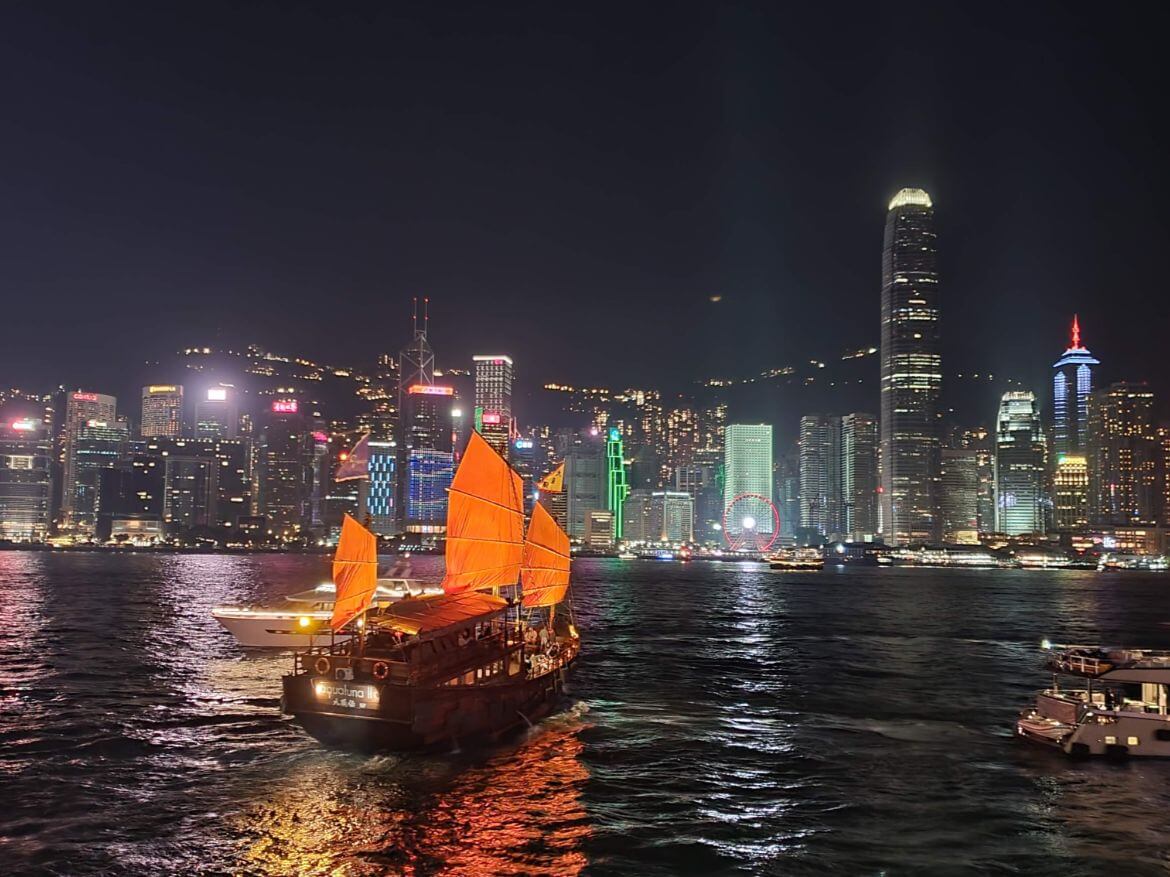
Another great thing to do along Victoria Harbour is to watch the Symphony of Lights. This is nighttime music and light show that is staged every night at 8:00 p.m. The best viewing locations are the Tsim Sha Tsui waterfront outside the Hong Kong Cultural Centre and the Avenue of Stars, the promenade at Golden Bauhinia Square in Wanchai, and from sightseeing ferries in the Victoria Harbour.
You could also take a Harbour Cruise, e.g. Aqua Luna evening sail (traditional red‑sail junk boat) to enjoy the best views.
2. Victoria Peak
A steep hill overlooking Central is the city’s most famous panoramic viewpoint. The Peak provides great harbour views and the city’s skyline.
You can visit the Sky Terrace at Peak Tower, a platform offering elevated views. For the SkyTerrace you need to pay (75 HKD) but there are other free viewpoints around, like the The Peak Galleria Terrace and the Victoria Peak’s Lions Pavilion that offer similar views (not as high) without the extra cost.
There are also several scenic walking trails (Peak Circle Trail) that reveal different angles of Victoria Harbour and Hong Kong Island. You can walk the short trail for quieter viewpoints and cooler air.
To reach the Peak you can take the historic Peak Tram for the classic experience (queue early at peak times). The Peak Tram is one of the world’s oldest and most famous funicular railways. The tram rises to 396 metres above sea level. The Peak Tram Lower Terminus is easily reachable on foot from the MTR Central Station. A return ticket on the tram costs HK$108. You can check for tickets and more information HERE. If the queue is too long, you can take a taxi instead on the way up and walk your way down.
Its better to go in the late afternoon to see the city in daylight, watch the sunset, and then see the skyline transform into a glittering spectacle of lights.
3. Tsim Sha Tsui Promenade & Avenue of Stars
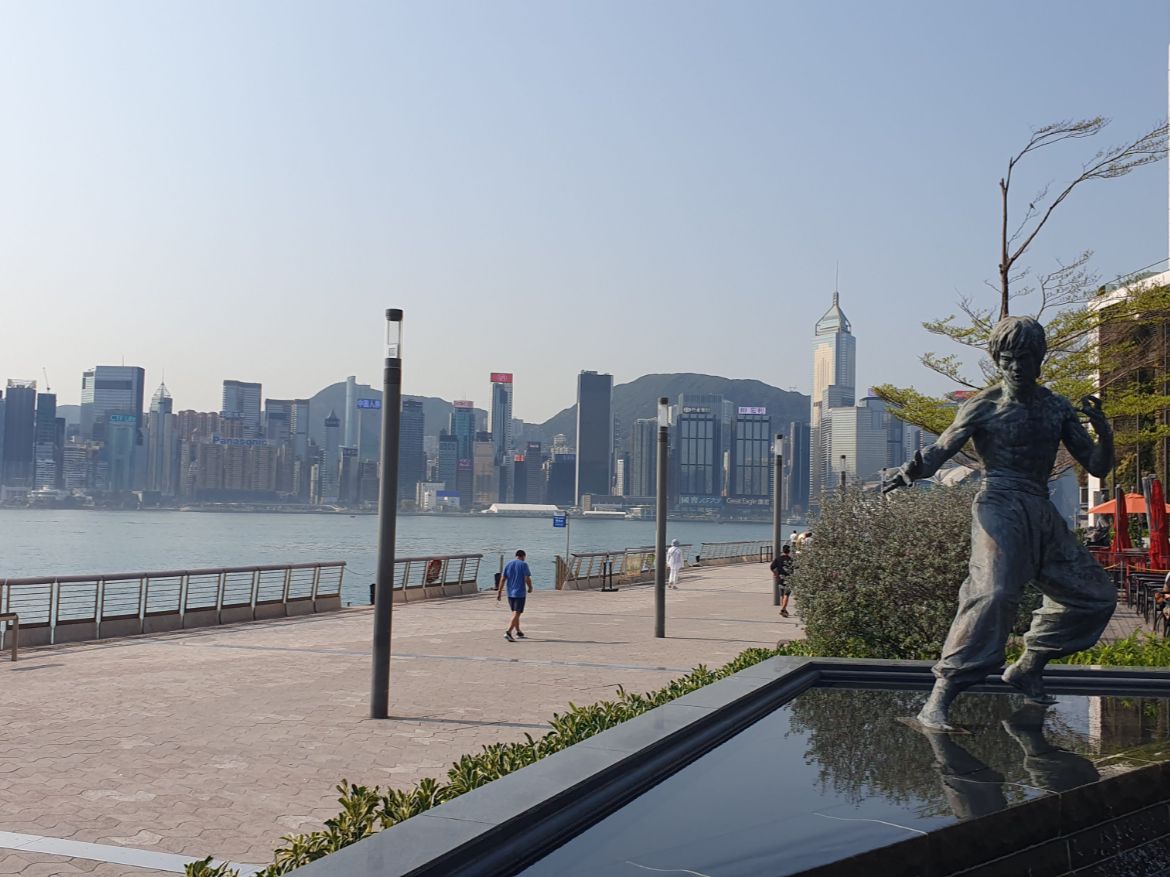
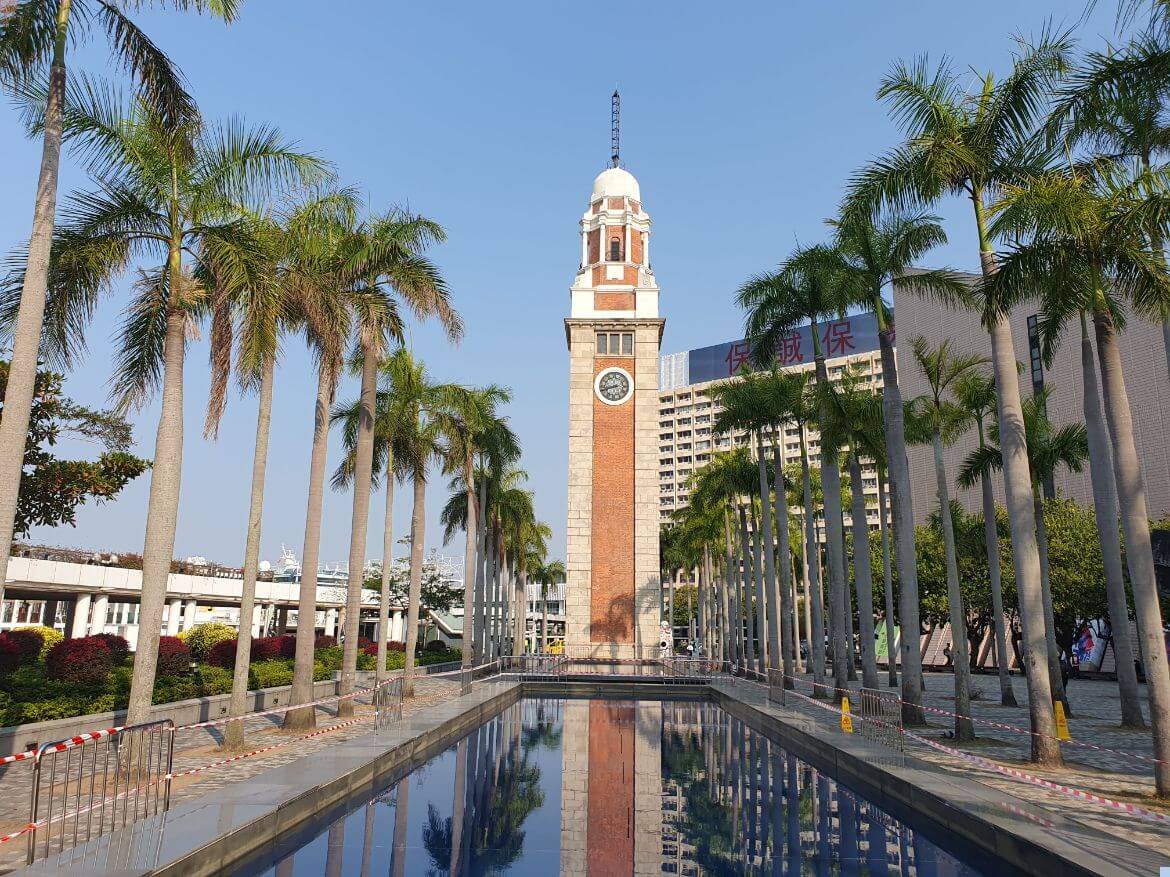
A harbourfront promenade honouring Hong Kong’s film industry (statues, handprints, plaques). It is great for a leisurely stroll with direct views across to Hong Kong Island and for catching the sunset or the nightly light show. It can be combined with a walk along the Tsim Sha Tsui promenade and the Clock Tower.
Tips: Plan to arrive before sunset to get front view if you want to enjoy the nightly Symphony of Lights show as it gets very busy.
4. Ngong Ping 360 Cable Car & Tian Tan Buddha (Big Buddha)
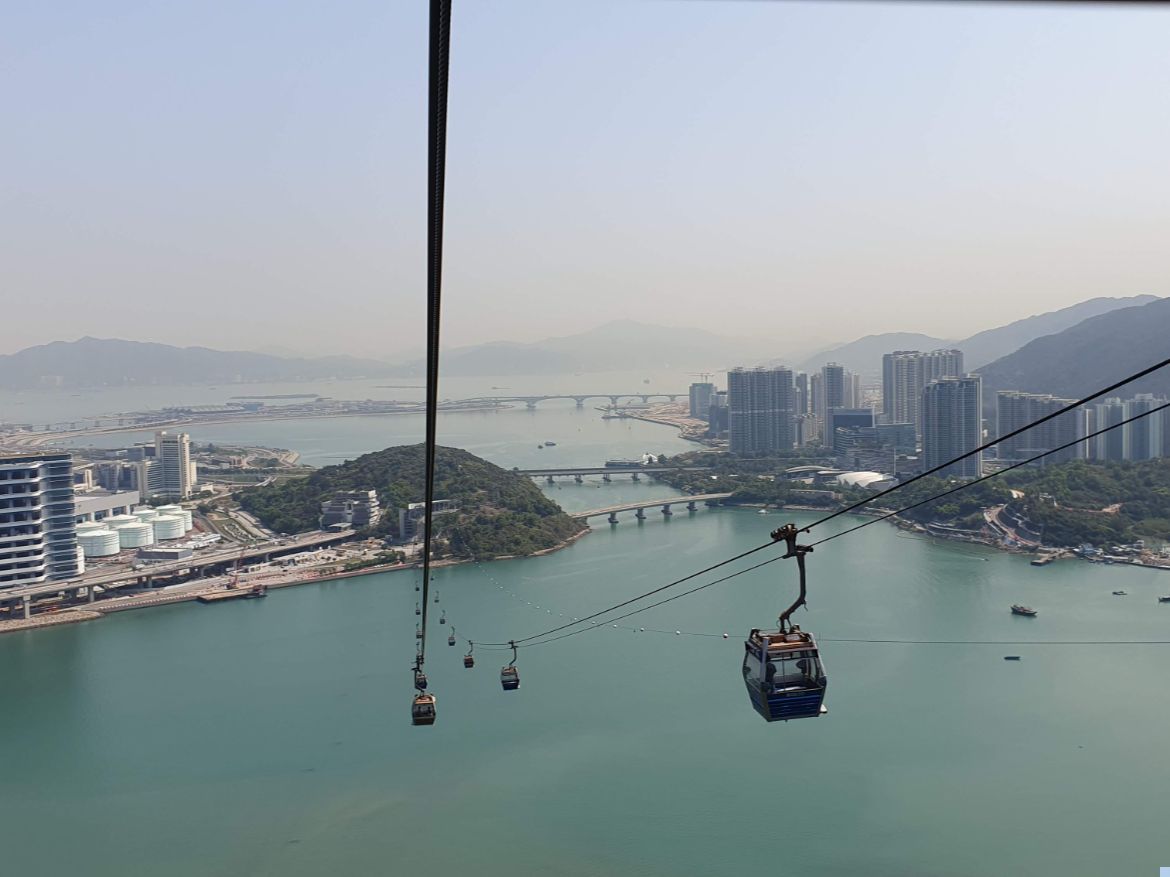
Riding the Ngong Ping 360 Cable Car is a must-d attraction when you visit Lantau Island. This scenic cable car (25min) connects Tung Chung to Ngong Ping plateau, offering panoramic views of the airport, Lantau coastline and mountains. It is the fastest and most scenic way to reach the Big Buddha and Po Lin Monastery.
Tips: Choose the glass-floor “Crystal Cabin” for an extra thrill; go in the morning to avoid the crowds.
Upon arrival, you’ll walk through Ngong Ping Village, built in traditional Chinese style, filled with eateries, souvenir shops, and cultural displays.
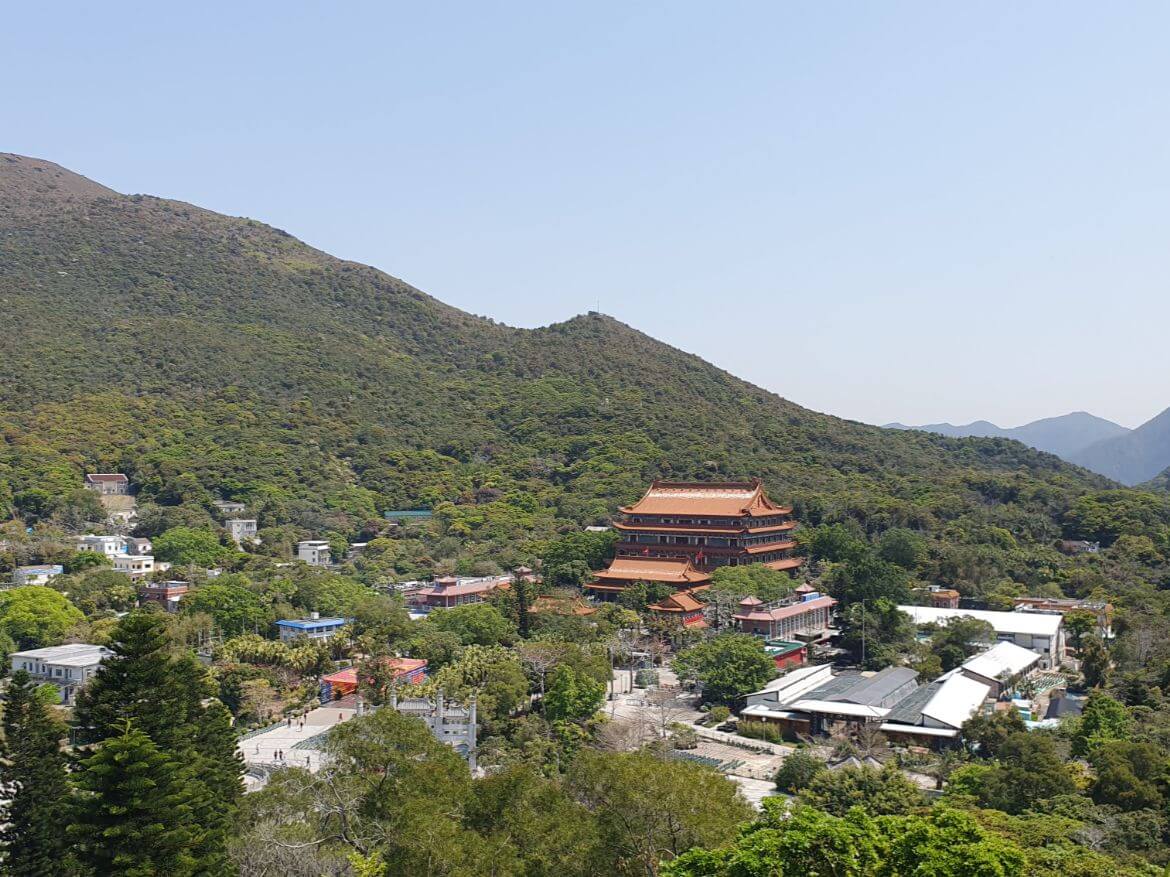
A short walk from the cable car terminal, Po Lin Monastery is one of Hong Kong’s most important Buddhist sites, which features ornate halls, carved statues, ancient scriptures, and tranquil gardens.
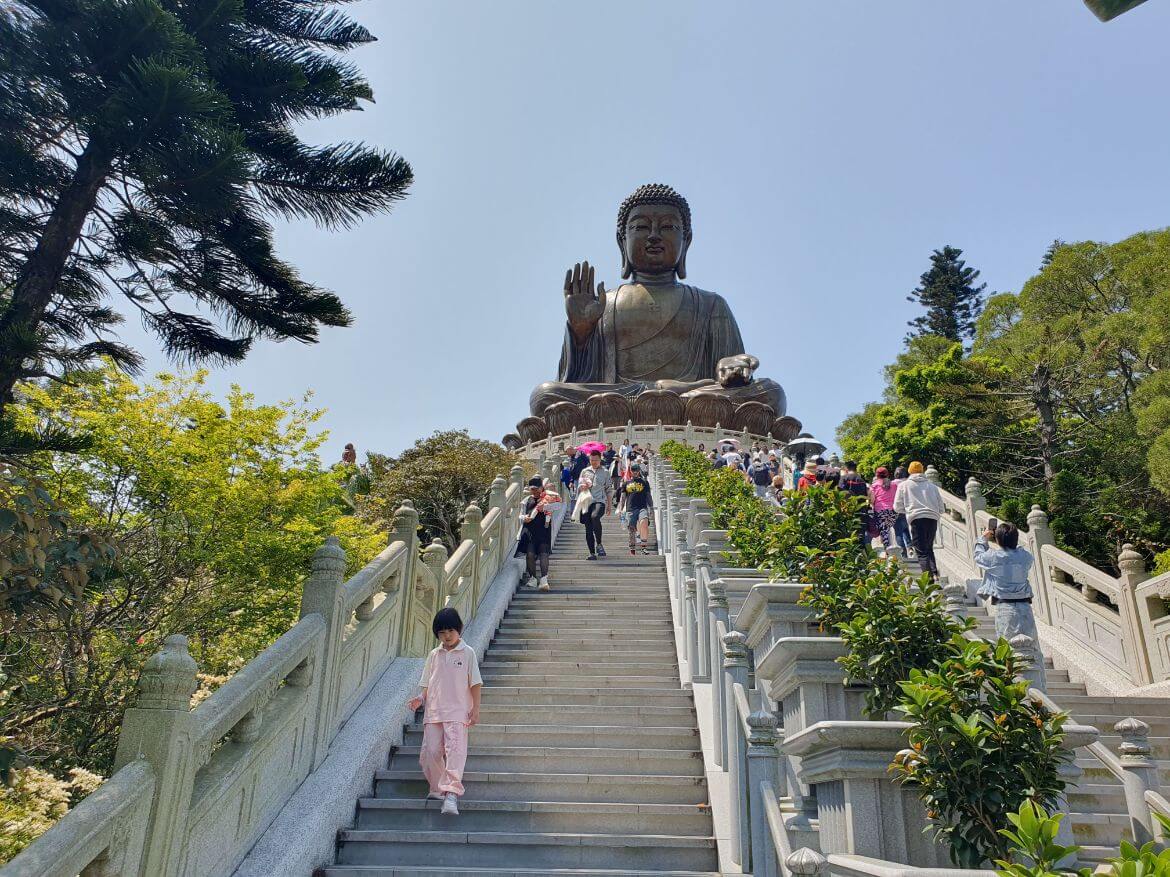
The nearby Tian Tan Buddha (Big Buddha) is one of Hong Kong’s most famous landmarks. This bronze Buddha stands 34 meters tall, and accessible by climbing 268 steps to reach the base, that offers some nice views on the surrounding countryside and mountain tops,
5. Central and Wan Chai Waterfront
The Central–Wan Chai Waterfront spans a long, scenic stretch of Victoria Harbour on Hong Kong Island, combining open public space, promenades, parks, cultural sites, and recreation zones. Portions of it are still evolving, but both districts already offer excellent views, walking routes, and attractions, like the Hong Kong Observation Wheel.
Its a great place to enjoy strolling or even cycling while taking in the harbour and skyline views
5. Sky100 Observation Deck
Sky100 is Hong Kong’s highest indoor observation deck, located on the 100th floor of the International Commerce Centre (ICC) in West Kowloon. It offers 360‑degree panoramic views of Victoria Harbour, Hong Kong Island, Kowloon, and even the New Territories on clear days. Good for skyline photography although it is only through glass wich is not ideal.
Tips: Buy tickets online to save time; not busy if you visit in the morning hours.
6. Man Mo Temple
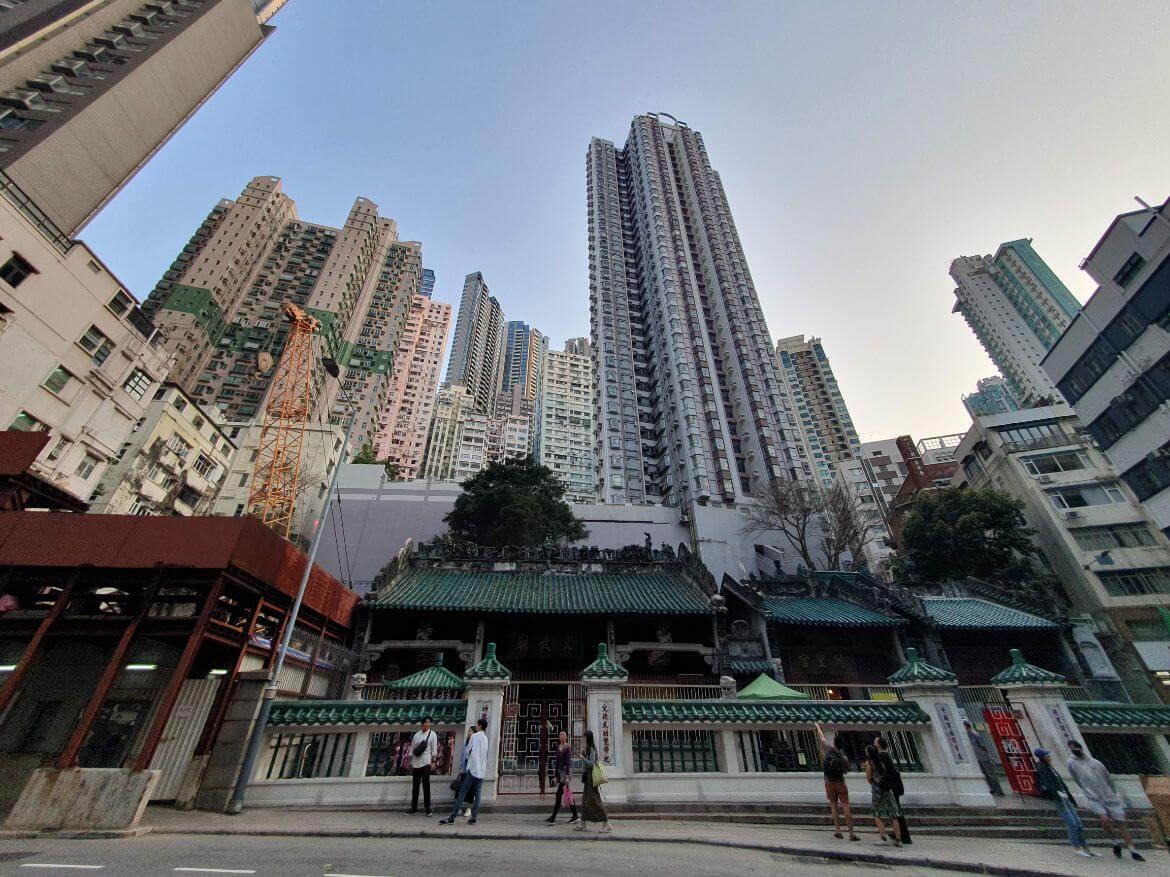
Man Mo Temple, located on Hollywood Road in Sheung Wan, is one of Hong Kong’s oldest and famous temples. Built in the 19th century, it is a declared monument and a prime example of traditional southern Chinese temple architecture
It is dedicated to the gods of literature (Man) and war (Mo). The temple is known for its iconic spiral incense coils hanging from the ceiling, contributing to the temple’s atmospheric interior.
Tips: It’s compact and free to enter – photography is allowed, but no flash inside the temple.
7. Nan Lian Garden & Chi Lin Nunnery (Diamond Hill)
Tranquil Buddhist complex with beautiful gardens. A Tang-style classical garden and adjacent wooden Buddhist nunnery with lotus ponds, rock formations and manicured landscapes. They are connected by a pedestrian footbridge. It’s a tranquil, photogenic escape in the city.
Tips: Both are free and very peaceful – great for slow walking and photography; dress modestly if entering the temple areas.
8. Mong Kok & Yau Ma Tei (Ladies’ Market, Temple Street Night Market)
Mong Kok is dense, lively, and overflowing with small shops, markets and eateries. This district is the epicentre of Hong Kong’s vibrant market scene. You can explore a series of themed streets and markets:
· Ladies’ Market (Tung Choi St): Clothing, accessories, souvenirs, and gadgets.
· Goldfish Market (Tung Choi St): Shops selling goldfish and other pets in brightly lit plastic bags.
· Flower Market: A fragrant street dedicated to every type of flower and plant.
· Sneaker Street (Fa Yuen St): For the latest athletic footwear.
Tips: Better to go in the late afternoon or evening when the markets are at their most lively.
Temple Street Night Market in Yau Ma Tei has street food, fortune-tellers and bargains. You’ll find everything from trinkets and jade to fortune tellers and opera singers. The atmosphere is uniquely “old Hong Kong.”
The area is famous for its open-air “dai pai dong” (food stalls) serving clay pot rice and seafood.
9. Causeway Bay
Hong Kong’s bustling retail and entertainment district with large department stores (Times Square, SOGO) and countless restaurants and cafés. It’s compact, flat, and walkable, making it ideal for exploring on foot.
Causeway Bay is one of the best spots to hop on the historic double‑decker tram – slow‑paced, nostalgic, and perfect for people‑watching the district’s hectic energy.
You can also visit Victoria Park, a green break in the middle of the district, ideal for sitting, strolling, or escaping the street crowds.
10. Hong Kong’s Museums
- M+ Museum (West Kowloon): Hong Kong’s premier contemporary visual culture museum, showcasing 20th–21st century art, design, architecture, and moving image. Opened in 2021, it has quickly become one of Asia’s most important modern art institutions.
- Hong Kong Museum of Art (Tsim Sha Tsui): A major waterfront museum featuring Chinese antiquities, modern art, international exhibitions, and stunning harbour views. Exhibits range from traditional calligraphy to rotating global shows.
- Hong Kong Palace Museum (West Kowloon): Opened in 2022, this seven‑storey museum houses over 900 treasures from Beijing’s Forbidden City, spanning imperial art, calligraphy, ceramics, and historical objects across nine galleries.
- Hong Kong Museum of History: One of the most popular museums in the city, offering an extensive walkthrough of Hong Kong’s archaeology, ethnography, cultural development, and modern history.
- Hong Kong Heritage Museum: A large museum with 12 galleries covering art, culture, Cantonese opera, and Hong Kong heritage, including a dedicated Bruce Lee exhibition.
- Hong Kong Arts Centre: Contemporary art exhibitions, performances, and workshops.
- Hong Kong Maritime Museum (Central Pier 8): Showcases Hong Kong’s maritime history from early seafaring and shipwrecks to modern shipping and marine conservation- with interactive displays and harbour views.
- Hong Kong Science Museum (Tsim Sha Tsui): A family‑friendly, hands‑on museum with over 500 exhibits spanning physics, engineering, robotics, and natural sciences.
- Hong Kong Space Museum (Tsim Sha Tsui): Features astronomy exhibits and a planetarium dome, offering space‑themed educational programs (note: some reviews consider it skippable)
11. Hong Kongs Nature Spots
- Dragon’s Back (Hong Kong Island): One of Hong Kong’s most famous ridge hikes
- Tai Mo Shan: Hong Kong’s highest peak with waterfalls and hiking trails.
- Hong Kong Geopark: Unique rock formations, coastal landscapes, and boat tours.
- Shing Mun Reservoir & Lions Nature Trail: Easy nature walks with city views.
12. “Ding Ding” (Historic Tram)
These double-decker trams have been running since 1904. They are slow, but cheap and they offer a fantastic, ground-level view of the life and architecture along the northern shore of Hong Kong Island from Kennedy Town to Shau Kei Wan.
Tip: Hop on, grab a seat upstairs at the front, and just ride for a few stops. It’s the most inexpensive sightseeing “tour” you’ll find.
13. Central-Mid-Levels Escalator
The Central–Mid-Levels Escalator and Walkway System is the longest outdoor covered escalator system in the world. It spans over 800 meters and climbs more than 135 meters in elevation.
The Central-Mid-Levels Escalator is a series of covered escalators and walkways that transport people from Central up to the Mid-Levels residential area. It’s a unique way to see the city transform from bustling business district to trendy, cobblestoned streets lined with restaurants and bars.
Tip: It runs downhill from 6:00-10:00 AM and uphill from 10:30 AM until midnight. Go in the late morning to ride it uphill and explore the trendy Soho area.
14. Wong Tai Sin Temple
Wong Tai Sin Temple is Hong Kong’s most visited Taoist temple, known for fortune‑telling, answered prayers, and vibrant traditional architecture. It is located in Wong Tai Sin district, Kowloon.
It’s famous for “Kau Cim,” a fortune-telling practice where you shake a bamboo cylinder until a numbered stick falls out, then having the corresponding prediction interpreted by onsite fortune‑tellers.
15. Ten Thousand Buddhas Monastery
The Ten Thousand Buddhas Monastery is a unique mid‑20th‑century Buddhist temple complex located in Sha Tin, New Territories, Hong Kong. Despite its name, it is not an active monastery.
The ascent to the monastery is one of the highlights. It is about 400 steps path lined on both sides with life‑size golden Buddha statues,
The complex features a prominent nine‑storey pagoda, which offer panoramic views of Sha Tin from the top.
16. Repulse Bay
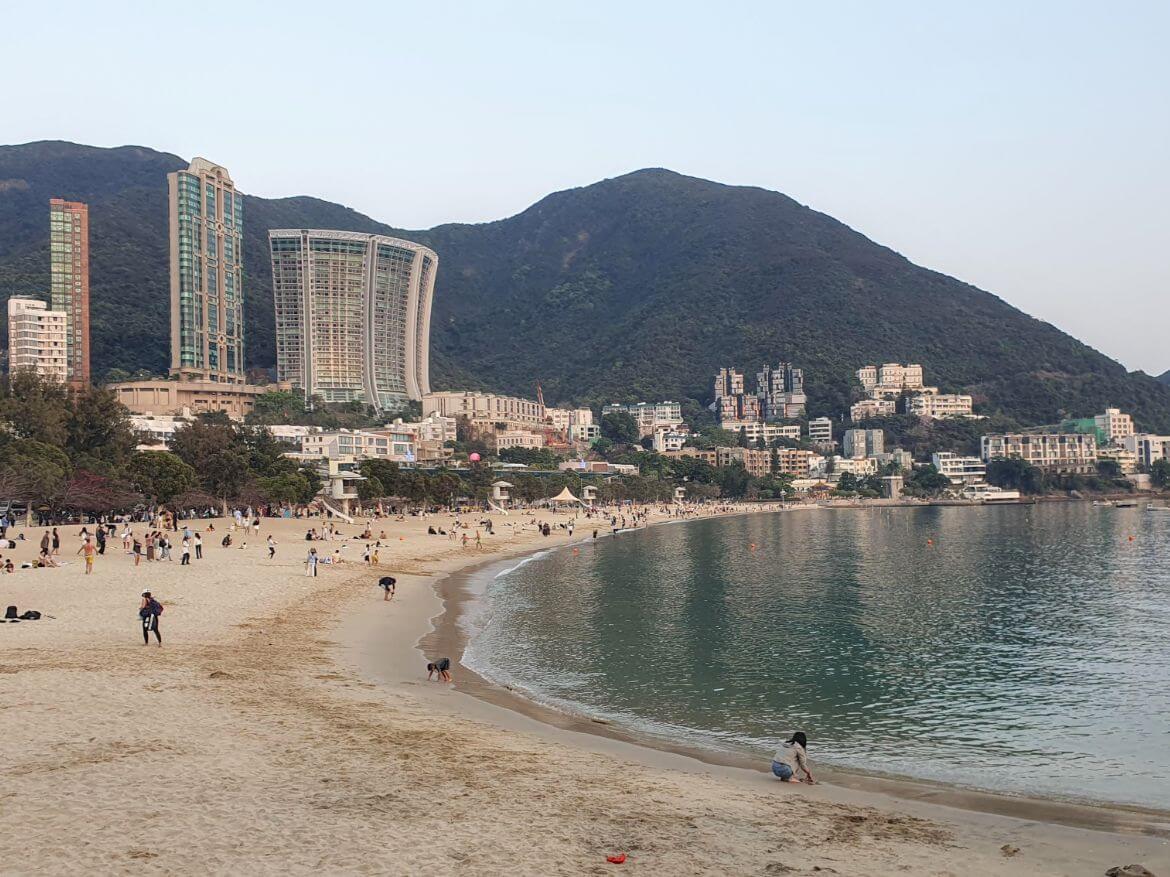
Repulse Bay is one of Hong Kong Island’s most popular and accessible beaches, known for its soft sand, calm waters, and upscale seaside atmosphere. It sits on the southern coast of Hong Kong Island, in one of the city’s most prestigious residential districts.
Located at the southeastern end of the beach, the Kwun Yam and Tin Hau Shrine is a colourful Taoist temple compound well worth visiting.
You can get there by bus from Central in 20min (Bus 6, 6A, 6X, 66, 260).
17. Aberdeen
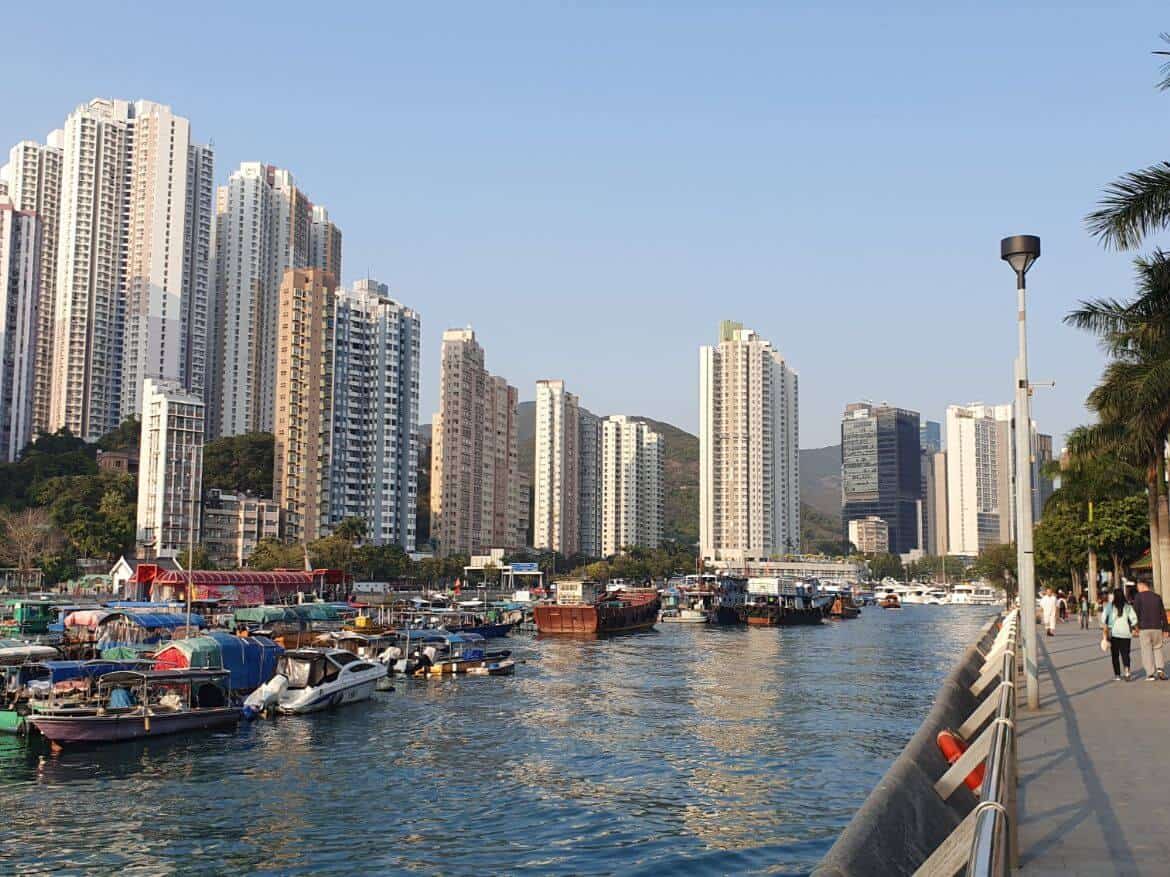
Aberdeen, located on the southwestern coast of Hong Kong Island, is one of the city’s oldest and most historically important harbours. The area preserves the city’s fishing‑village roots with sampans, seafood markets, and traditional temples surrounded by modern high‑rises.
Although the floating restaurants (like Jumbo Kingdom) have disappeared, the harbour still retains sampans, fishing boats, and traces of its maritime traditions.
Walk the waterfront to see fishing boats, working junks, seafood stalls, and locals unloading fresh catches. It’s one of Hong Kong’s most atmospheric promenades
18. Stanley
Located on the southern tip of Hong Kong Island, Stanley is a picturesque coastal town known for its relaxed vibe, colonial heritage, beaches, and famous market.
Its famous for the Stanley Market, a daily market filled with lanes of shops selling: toys, teas, homeware, paintings, souvenirs & chinese handicrafts, clothing & sportswear.
Stanley’s seaside promenade is lined with cafés, bars, and international restaurants offering al fresco dining and views over the bay. If you walk to the end, you’ll reach Stanley Plaza, a modern shopping centre with restaurants and a ship‑themed playground for kids.
There is also the Stanley Main Beach popular with families.
19. Hong Kong Disneyland
Hong Kong Disneyland is a world‑class Disney theme park located on Lantau Island, blending classic Disney storytelling with attractions and lands unique to Hong Kong.
It is one of the city’s most popular entertainment destinations and features a mix of rides, shows, character experiences, themed lands, and seasonal events that appeal to families, kids, and Disney fans of all ages.
20. Kennedy Town
A waterfront neighbourhood with an improving food scene, casual bars and a relaxed vibe – good for sunset views and neighbourhood exploration. Great for a late-afternoon coffee then a seaside dinner.
BEST EXCURSIONS & DAY TRIPS
1. Lantau Island
Lantau Island is the largest island in Hong Kong and is a great daytrip as it combines nature, fishing villages and great beaches. It can be easily reached by MRT linking Central and Tung Chung in approx. 30 minutes.
Things to do in Lantau:
- Ngong Ping 360 Cable Car: A scenic 25‑minute gondola ride offering sweeping views of mountains, forests, ocean, and the Buddha. Crystal cabins with glass floors available.
- Tian Tan Buddha (Big Buddha) & Po Lin Monastery: One of the island’s most iconic sights a 34‑metre seated bronze Buddha perched on a hilltop with stunning views and the nearby Po Lin Monastery.
- Pui O Beach: Beautiful beach for swimming, camping, and relaxation
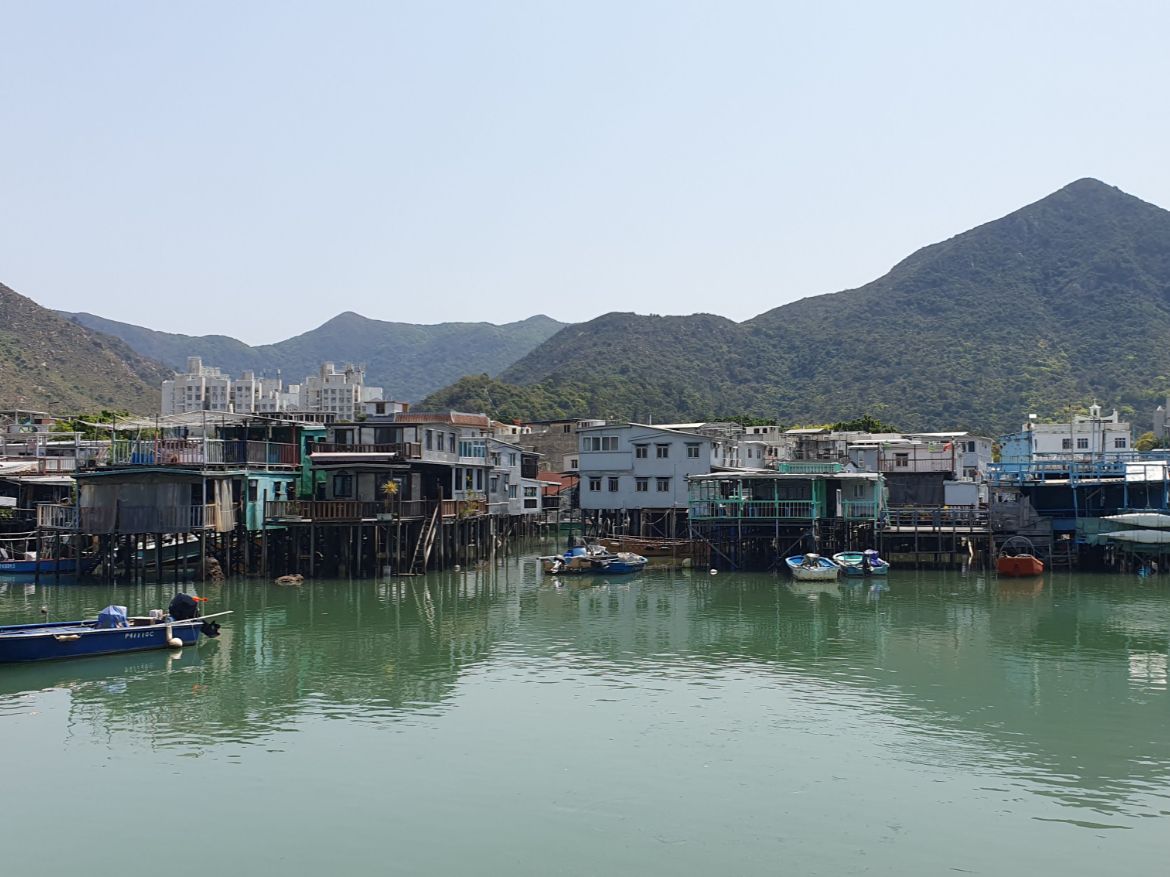
- Tai O Fishing Village: Traditional stilt houses, local snacks, and cultural experience.
- Hong Kong Disneyland: A compact but high‑quality Disney park offering classic rides, shows, and themed areas — ideal for families.
2. Macau
Macau is great option for day trip from Hong Kong and it is a must visit. It’s one of the easiest and most interesting quick trips you can take from Hong Kong. The city mixes Portuguese history with Chinese culture. Even though Macau is famous for casinos, it’s far more than that. It’s compact, walkable, and full of iconic landmarks, great food,
How to get to Macau:
- Ferry from Hong Kong Island
- Operators: TurboJET or Cotai Water Jet
- Duration: 55–70 minutes
- Departure point: Hong Kong Macau Ferry Terminal (Sheung Wan)
- Arrival: Macau Outer Harbour Ferry Terminal (near Macau city) or Taipa Ferry Terminal (near Cotai Strip)
- Tip: Book tickets online in advance to avoid long queues.
- Passport: Required for most nationalities.
- Visa: Check your nationality — some require a visa, many get visa-free entry for short visits.
Things to do in Macau:
- Ruins of St. Paul’s – Iconic 17th-century church facade.
- Monte Fort: Right behind St. Paul’s – peaceful views across the city.
- Senado Square – Historic square with Portuguese colonial architecture.
- Macau Tower – Observation deck, bungee jumping, and city views
- Taipa Village – Quaint streets, shops, and local restaurants.
- Cotai Strip – Casinos and luxury hotels for sightseeing.
- Macanese Food: From Macanese chicken to egg tarts, pork chop buns, almond cookies and durian pastries.
3. Lamma Island
Lamma Island is one of Hong Kong’s most beloved day trips, perfect for hiking, beaches, seafood, and slow‑paced village life. It is a car free island with a fishing‑village charm, and scenic coastal trails. It’s reached by ferry from Central Pier 4, with a ride of just under an hour.
Things to do in Lamma:
- Hiking trail: From Yung Shue Wan to Sok Kwu Wan along scenic coastline (~2–3 hours).
- Hung Shing Yeh Beach: A popular, clean beach ideal for swimming and relaxing
- .Lamma Fisherfolk’s Village: A themed cultural attraction where you can explore traditional fishing life, see dragon boats and learn rope‑weaving.
- Yung Shue Wan Village: The liveliest part of the island, full of cafés, seafood restaurants, bars, artisan shops, and the island’s main ferry pier.
4. Cheung Chau Island
Cheung Chau is a charming island known for its lively waterfront, seafood stalls, narrow alleys, beaches, and vibrant festivals. It’s reachable by ferry from Central Pier 5, with fast ferries taking about 35 minutes and ordinary ferries 60 minutes.
Things to do in Cheng Chau Island:
- Beaches & cycling – Small, charming island ideal for biking.
- Pak Tai Temple & seafood markets – Local culture and fresh seafood.
- Cheung Chau Bun Festival (seasonal) – Colourful cultural event if your visit coincides.
5. Sai Kung Peninsula
The Sai Kung Peninsula is widely regarded as the most beautiful natural area in Hong Kong, known for its beaches, islands, hiking trails, volcanic rock formations, fishing villages, and marine parks. It sits in the eastern New Territories and is largely protected as country park land, keeping it unspoiled and deeply scenic.
Sai Kung is a major hub for water sports, like kayaking, paddleboarding, or boat trips to nearby islands.
It has some of the most beautiful beaches in Hong Kong. Tai Long Wan is a cluster of four beaches with white sand, clear water, and dramatic hills.
There are also some great seafood villages, like Sai Kung Town famous for fresh seafood.
6. Shenzhen
Shenzhen is a port city in Mainland China that you can visit as day trip with high-speed train, about 1 hour from West Kowloon Station. Many nationalities can get a 1-day visa on arrival, but check requirements beforehand.
Once a cluster of fishing villages in 1980, Shenzhen has transformed into a city of 18 million people, packed with skyscrapers, tech giants, clean streets, green parks, and some of the most advanced urban infrastructure in the world.
It is a great place for shopping & entertainment, like the Huaqiangbei electronics market and theme parks like Window of the World.
BEST BEACHES
- Tai Long Wan & Sai Wan Beach (Sai Kung): Often regarded as the most beautiful beach area in Hong Kong, made up of four stunning coves — Sai Wan, Ham Tin, Tai Wan, Tung Wan. Great for hiking, swimming, camping, and escaping the city.
- Repulse Bay Beach (Hong Kong Island): One of HK’s most popular beaches — clean sand, calm water, and plenty of restaurants & cafés steps away.
- Long Ke Wan (Sai Kung): Crystal‑clear waters, pristine sand, remote feel — another highlight of the Sai Kung peninsula and one of HK’s top natural beaches.
- Cheung Sha Beach (Lantau Island): one of the best and longest beaches in Hong Kong with pristine and crystal‑clear waters
- Shek O Beach (Hong Kong Island): Perfect for beginners and families with BBQ pits, cafés, and beautiful views; very popular but worth it.
- Deep Water Bay (Hong Kong Island): A quieter alternative near Repulse Bay with calm waters and a scenic coastal walk.
- Big Wave Bay (Hong Kong Island): The go‑to surfing spot with board rentals and a nice post‑Dragon’s‑Back‑hike chill‑out scene.
- Clear Water Bay Second Beach: crystal-clear water with silky sand
- Stanley Main Beach (Hong Kong Island): Close to restaurants, markets, and shops; perfect for families and easy to reach.
- Golden Beach (Tuen Mun): Clean, wide, and good for kids — plus plenty of nearby amenities.
- Hap Mun Bay Beach (Sai Kung): Beautiful crescent‑shaped bay with clear water — a favourite “secret spot” for many locals.
- Pui O Beach (Lantau island): Known for its unique mixture of black and white sand, excellent for paddleboarding and camping.
- Lido Beach: A small, sandy, gazetted beach located along Castle Peak Road in Ting Kau, offering picturesque views of the Ting Kau Bridge and Tsing Ma Bridge.
- Hung Shing Yeh Beach (Lamma Island): Very clean, great for swimming and sunbathing, with that distinct Lamma Island laid‑back village feel.
HONG KONG TOURIST MAP
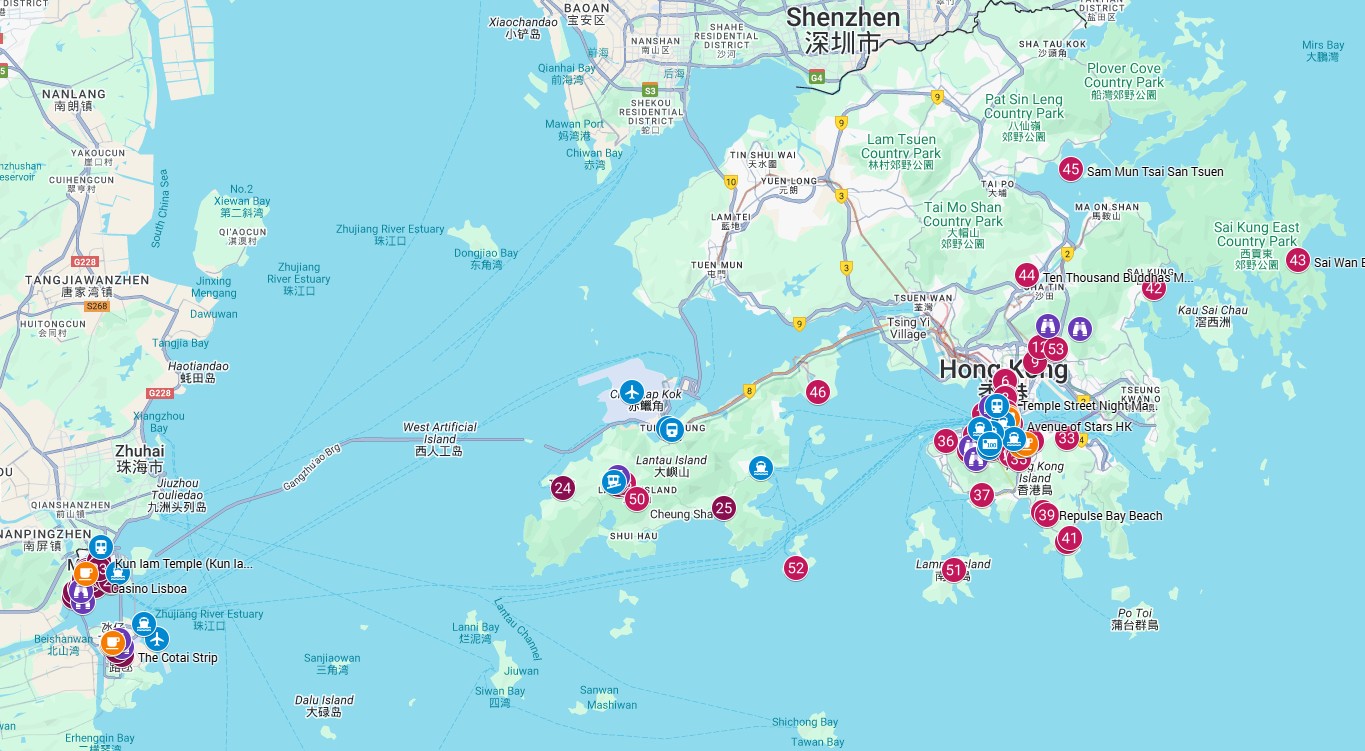
You can click on the map below for the location of the best sights and places to visit in Hong Kong including best excursions, hotels, restaurants and viewpoints.
HONG KONG ITINERARY
It is worth staying in the Hong Kong region for at least 4 days, but ideally, you will need longer if you want to explore outlying islands, beaches and Macau.
Here’s a suggested 5-day itinerary for exploring Hong Kong and its surrounding areas.
Day 1: Hong Kong Island
- Explore Central
- Head to Central Waterfront or Wan Chai promenade.
- Explore SoHo & PMQ (arts, cafés, boutiques).
- Ride the Mid‑Levels Escalators through the neighbourhoods.
- Man Mo Temple.
- Take the Peak Tram or a taxi up to Victoria Peak.
- Aberdeen by bus
- Star Ferry to Tsim Sha Tsui
- Enjoy Symphony of Lights and Victoria Harbour by night.
Day 2: Kowloon
- Explore Tsim Sha Tsui
- Walk the Avenue of Stars for harbour views
- Optional: Sky100 Observation Deck
- Visit Wong Tai Sin Temple & Chi Lin Nunnery
- Explore Mong Kok
- Wander through markets:
- Ladies Market
- Sneaker Street
- Goldfish Market
- Try local snacks: bubble waffles, milk tea, egg tarts.
- Evening: Temple Street Night Market
Day 3: Lantau
- Take the Ngong Ping 360 Cable Car
- Visit Big Buddha & Po Lin Monastery.
- Take the bus to Tai O Fishing Village
- See the traditional stilt houses
- Boat ride (optional) to see pink dolphins
- Take the bus to Pui O Beach
- Go for a swim or relax on the reach
- Return by ferry from Mui Wo ferry pier
Day 4: Macau
- Ferry to Macau from Hong Kong Island
- Explore the Fisherman’s Wharf
- Taxi or walk to the Monte Fort to enjoy the views
- Admire St Pauls ruins
- Wander through Senado Square
- Enjoy the views from Macau Tower
- Visit Cotai Strip and Taipa
- Ferry back to Hong Kong from Taipa
Day 5: Beaches/Hiking or Outlying Islands
- Option A: Aberdeen, Repulse Bay & Stanley Market
- Option B: Dragon’s Back Hike
- Option C: Cheung Chau – Cycling, temples, local snacks
- Option D: Lamma Island – Hiking, seafood lunch, beach relaxation
- Option E: Sai Kung – Beaches, hiking, kayaking, seafood lunch
- Option F: Hong Kong Disneyland
PHOTOGRAPHY
You can check the best photographs from my visit to Hong Kong here.
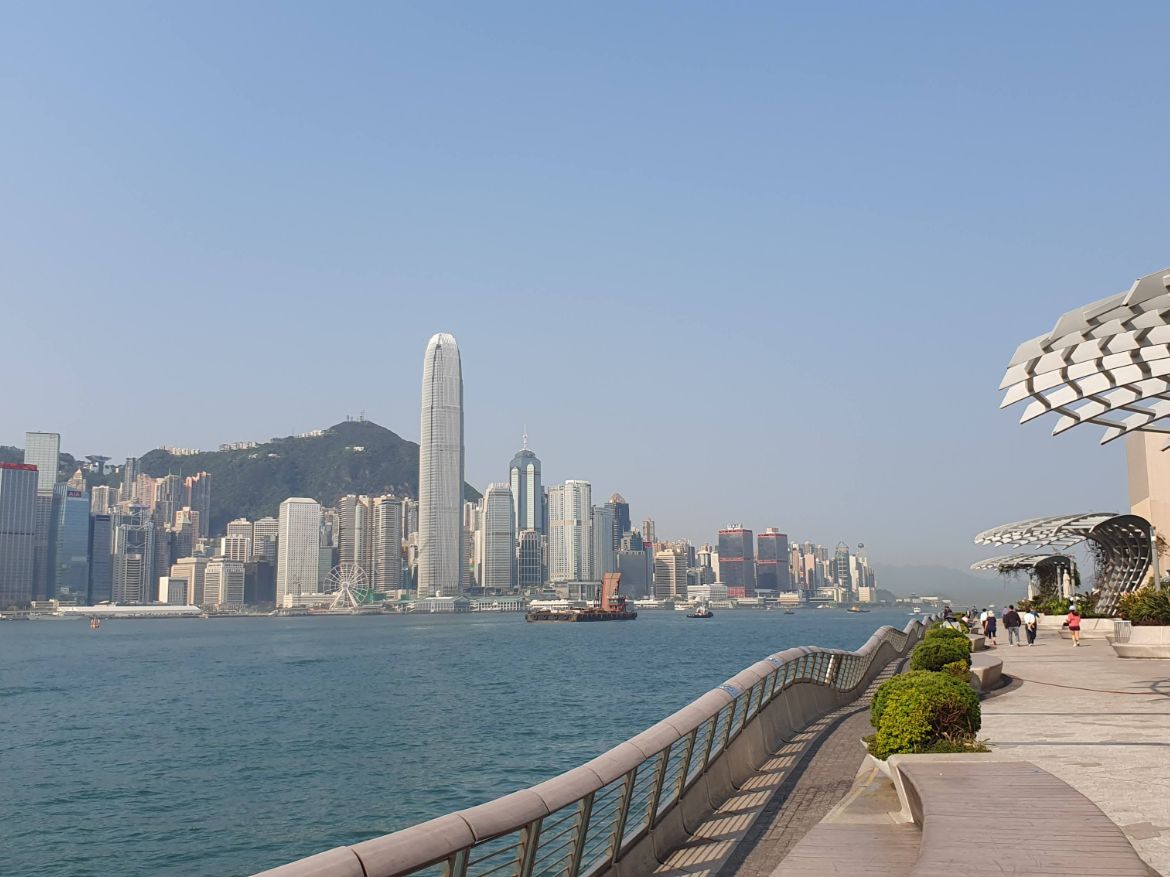
Here is a list of the best viewpoint locations in Hong Kong, where you enjoy great views.
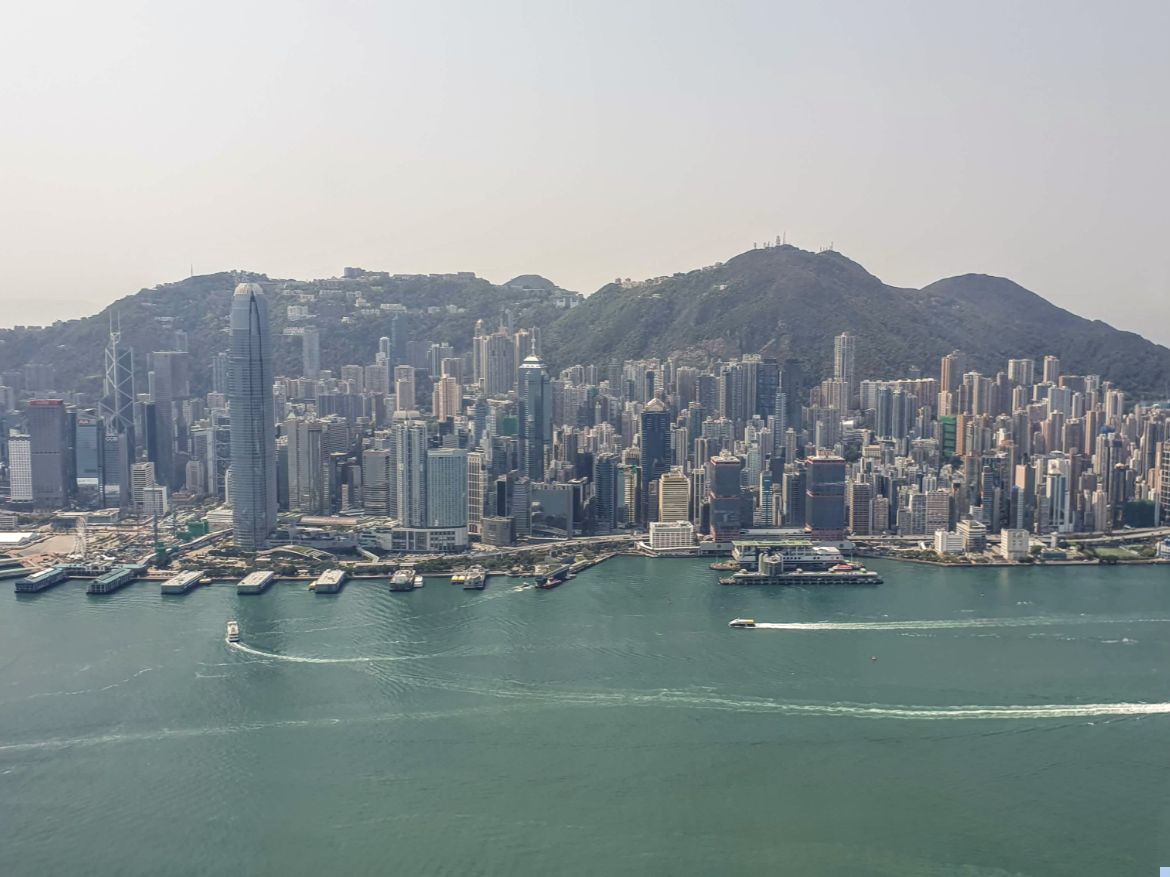
- Victoria Peak (The Peak): Iconic panoramic view of Hong Kong Island, Kowloon, and Victoria Harbour.
- Best spots: Sky Terrace 428 (paid viewing deck) or Lugard Road Lookout (free and less crowded)
- Best time: Sunset to night – skyline lights up spectacularly.
- Tsim Sha Tsui Promenade: Classic view of Hong Kong Island’s skyline across the harbour.
- Best time: Morning to enjoy the views towards Hong Kong Island & Evening for photos of illuminated skyscrapers.
- Sky100 Observation Deck
- Located at the 100th floor of the International Commerce Centre (ICC), West Kowloon.
- 360° indoor view of Victoria Harbour and both sides of Hong Kong.
- Lion Rock: A favourite local hike with dramatic city-meets-nature views.
- Temple Hill Lion’s Pavilion
- Sky Terrace at Ocean Terminal Deck
- Located at End of Harbour City Mall, Tsim Sha Tsui.
- Free, open-air terrace with sweeping harbour views.
- Mount Davis: Quiet alternative to The Peak, overlooking the harbour and western districts.
- Dragon’s Back Ridge: Coastal ridge offering sweeping ocean and island views.
- Rooftop Bars with Views
- Ozone Bar (Ritz-Carlton) – One of the world’s highest bars (118th floor).
- Aqua (Tsim Sha Tsui) – Elegant dining with skyline views.
- Glass lifts (Hopewell Centre)
- Kowloon Peak Viewing Point
- Hong Kong Observation Wheel
- Ngong Ping Viewing Platform
- Reservoir Islands Viewpoint
- Ma Kong Shan Viewing Point
- Mount Butler Viewing Point
- Jardine’s Lookout
- Red Incense Burner Summit
You can check these viewpoints’ locations and the best photo spots on this map.
HONG KONG ACTIVITIES
- Hiking:
- Dragon’s Back: One of Hong Kong’s most famous hiking trails, offering coastal ridge views and a final descent toward Shek O or Big Wave Bay. It’s moderately easy and takes about 2-3 hours.
- Lion Rock (Kowloon): A tougher climb with panoramic views over Kowloon and the Hong Kong skyline — a favourite among locals and hikers.
- Peak Circle: The Peak Circle Walk is a popular, 3.5–4.5 km (approx. 1-1.5 hours), mostly flat and paved hiking trail around Victoria Peak connecting Lugard Road and Harlech Road, offering panoramic views of Victoria Harbour, skyscrapers.
- Tai Long Wan (Sai Kung): A coastal classic featuring remote beaches, crystal-clear water, and dramatic cliffs
- Bride’s Pool Nature Trail – New Territories A short, scenic family walk featuring waterfalls and a picturesque stone bridge.
- Tai Mo Shan: Climbing Hong Kong’s tallest peak among the clouds. Intermediate trail (approx. 2hr).
- Shing Mun Rerservoir: A favourite hiking route for family outings with views. Easy trail (approx. 3hr).
- Lau Shui Heung and Hok Tau Reservoirs: Situated in the Pat Sin Leng Country Park, this popular hiking trail ends at Lau Shui Heung Reservoir. Also known as ‘Mirror of the Sky’. Intermediate trail (approx. 3hr).
- Water Sports: You can try snorkelling, windsurfing, Kayaking and other water sports at some of Hong Kong’s beautiful beaches.
- Kayaking: Pui O Beach & Cheung Sha (Lantau) & Hoi Ha Marine Park
- Surfing: Surf rentals and lessons via Surf Hong Kong at Sai Wan (Sai Kung)
- SUP: Stanley Main Beach, Cheung Sha Beach & Sai Kung
- Windsurfing: Cheung Chau & Stanley
- Pink Dolphin Watching (Near Lantau): A unique wildlife activity – guided boat tours help spot the endangered Hong Kong pink dolphins.
- Cycling: Hong Kong offers an impressive mix of coastal bike paths, mountain bike trails, and island loops
- Sha Tin → Tai Mei Tuk (22 km) – Approx. 2.5h
- Sha Tin to Wu Kai Sha – Approx. 2h
- Tai Po → Tai Mei Tuk (1.5–3 hours)
- Cheung Chau Island Loop
- Tai Chi Class: Join a morning class in a public park for a truly local experience.
- For Families
- Hong Kong Disneyland – A magical park that incorporates Chinese culture and feng shui into its design. It’s smaller and often less crowded than other Disney parks, making it manageable for a day trip.
- Ocean Park – A combination of a zoo, aquarium, and amusement park focused on conservation and education. It features giant pandas, thrilling roller coasters, and a massive aquarium tunnel.
- Noah’s Ark (Ma Wan): Educational theme park with interactive exhibits.
- Hong Kong Science Museum & Space Museum: Hands-on exhibits perfect for kids.
- Hong Kong Zoological & Botanical Gardens: Free entry, great for families.
- Hong Kong Observation Wheel: A waterfront Ferris wheel providing harbour views and an easy, family-friendly ride, especially pretty at night with city lights.
HONG KONG TOURS
Hong Kong Street Food Tour
Kowloon Street Market & Food Culture Walking Tour: Discover Hong Kong’s vibrant food scene on this guided walking tour (2h) that explores places that many visitors miss, including traditional wet markets, local bakeries, and lesser-known eateries. Price: €27.
Hong Kong Street Food Tour with Locals: Another great guided food tour (3h) around Hong Kong’s historic Chinese quarter to get delicious street food, including barbecue pork, dim sum, egg tarts and more, plus hear about the city’s colonial history.
Hong Kong Walking Tour
Introduction to Hong Kong: Central Walking Tour: This is a tip based 2h walking tour of the Central area main landmarks, like the renowned Mid-Level escalator, St John’s Cathedral and the historic Man Mo Temple
There are also free walking tours with GuruWalk. These tours do not have a set price, instead, each person gives the guide at the end of the tour the amount that he considers appropriate.
Victoria Harbour Boat Tour
- Dukling Antique Boat Tour (Victoria Harbour): A beautifully restored heritage junk boat offering harbour scenic tours with cultural storytelling.
- Aqualuna Cruise (Sunset or Night): A classic wooden junk boat cruise perfect for skyline photography. Enjoy sunset or nighttime views of Hong Kong Island and Victoria Harbour from the water on this 45-minute evening cruise, often paired with Symphony of Lights.
More information about excursions & tours in Hong Kong can be found here.
WHAT TO BUY IN HONG KONG
Hong Kong is a shopper’s paradise, offering everything from luxury brands to quirky souvenirs and local specialties. Here are some popular items to consider purchasing in HK:
- Luxury & Designer Goods: Fashion, watches, jewellery and cosmetics. Hong Kong has low/no sales tax, making luxury items slightly cheaper than many Western countries.
- Chinese tea & tea sets: Pu’er, Oolong, or Tie Guan Yin tea. Great for a gift.
- Chinese herbs & traditional medicine: Ginseng, Nin Jiom Pei Pa Koa (honey loquat syrup) for sore throats, and Po Sum On healing balm.
- Jade & semi-precious stones: Available in Jade Market (Yau Ma Tei).
- Antiques & curios: Hollywood Road shops and Cat Street for art, antiques, and collectibles.
- Dried seafood – Squid, scallops, and fish (great souvenirs for foodies).
- Local sweets & snacks – Almond cookies, egg rolls. wife cakes, preserved fruits.
- Local bakeries: There are some amazing bakeries in Hong Kong island (a mix of chinese and western influence) with great selection of sweet fluffy breads.
- Chinese calligraphy & art prints: PMQ, SoHo galleries, or street vendors
- Shoes: Sneakers Street (Fa Yuen Street) in Mong Kok.
- Electronics & gadgets: Cheung Sha Wan or Mong Kok for budget-friendly deals.
The best markets and places for shopping in Hong Kong:
- Ladies’ Market (Mong Kok) – Clothing, souvenirs, and accessories.
- Temple Street Night Market – Great for street food, fortune tellers, cheap electronics.
- Causeway Bay & Times Square – High-end malls and international brands.
- Harbour City (Tsim Sha Tsui) – Large shopping complex with shops and restaurants.
- Stanley Market: Located in the coastal town of Stanley, it is popular for ornaments, clothes and antiques.
- Chun Yeung Market (Wet Market): Stalls of fresh meats, seafood, fruits and vegetables.
- Goldfish Market: Colourful stretch of tropical fish shops in Mong Kok.
Bargaining is common in street markets, but malls have fixed prices.
VIRTUAL TOUR OF HONG KONG
Check the following video slideshow to get further inspiration to visit Hong Kong 🙂
FURTHER READING
Some websites for more information about Hong Kong:
- Hong Kong Tourism Board: The official tourist website of Hong Kong with lots of useful information.
Some good travel guides to buy before your visit Honk Kong:
- Lonely Planet Hong Kong (Travel Guide): The most comprehensive travel guide about Hong Kong.
- Pocket Rough Guide Hong Kong and Macau: A great travel guide about Hong Kong that also includes information about Macau.
TRAVEL RESOURCES
- Flights: I always use Skyscanner as my first choice as it’s so easy to use and you can search best deals by month. Google Flights is another very good search engine.
- Accommodation: I always use Booking.com as my first choice, as it offers a great choice of accommodation at affordable prices and it’s so easy to use. Airbnb is a great alternative for homes and apartments to rent by real homeowners. HotelsCombined is one of the best search engines to check deals from different websites.
- Car Rental: I always check Skyscanner for the cheapest car rental options. Discover Cars is also a good and easy-to-use website with great prices.
- Public Transport: Rome2Rio is a good website for checking prices & times on train and bus travel.
- Day Trips & Tours: Viator provides the most comprehensive list of day trips and you can book directly with them. GetYourGuide is also a great website to search for tours & activities to do. Airbnb Experiences is also a good place to find activities hosted by locals.
- Travel Insurance: SafetyWing is a great choice for long-term travellers and digital nomads. Alternatively, you can use one of the price comparison websites for cheaper quotes.